Electrolytic Copper Overhead Crane


Introduction
Technical Data
Application
Features
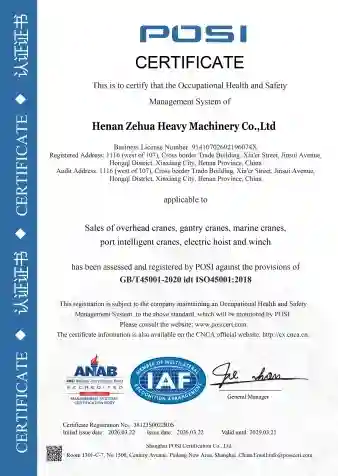
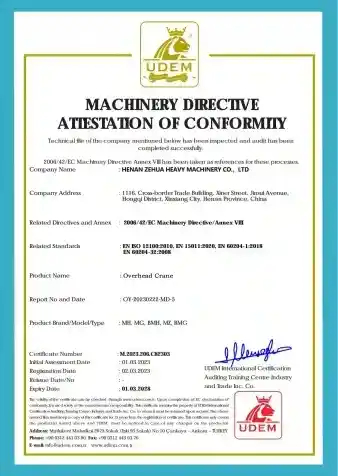
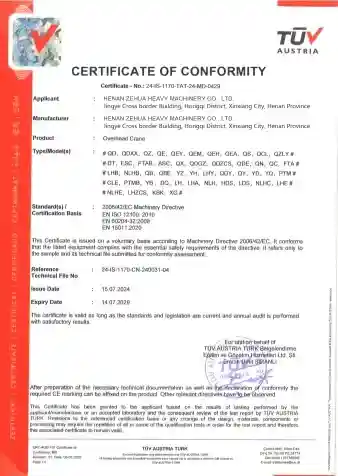
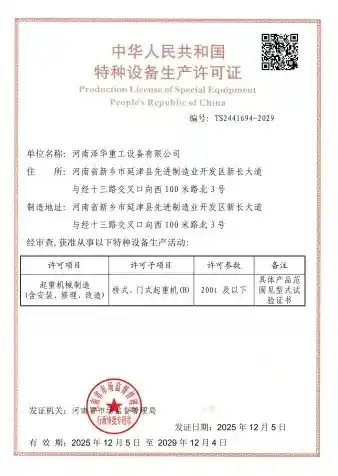
Certificate
Inquiry
PRODUCT INTRODUCTION
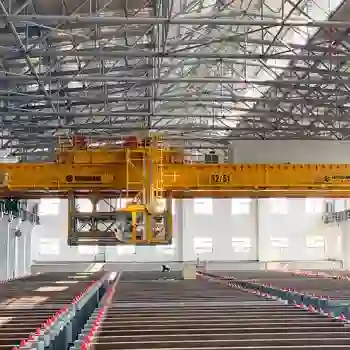
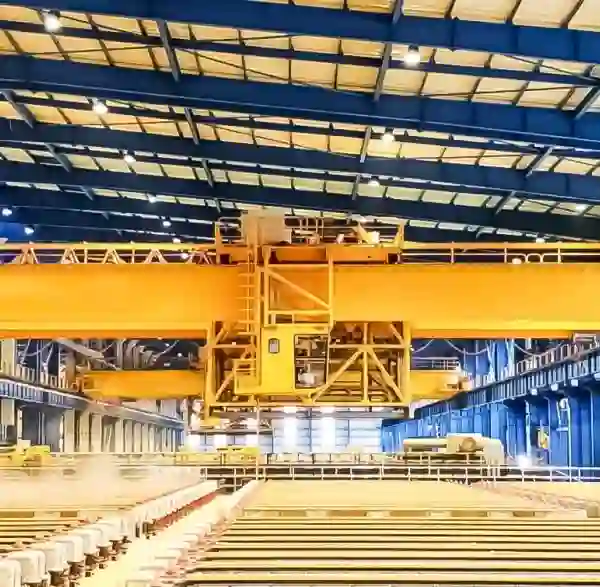
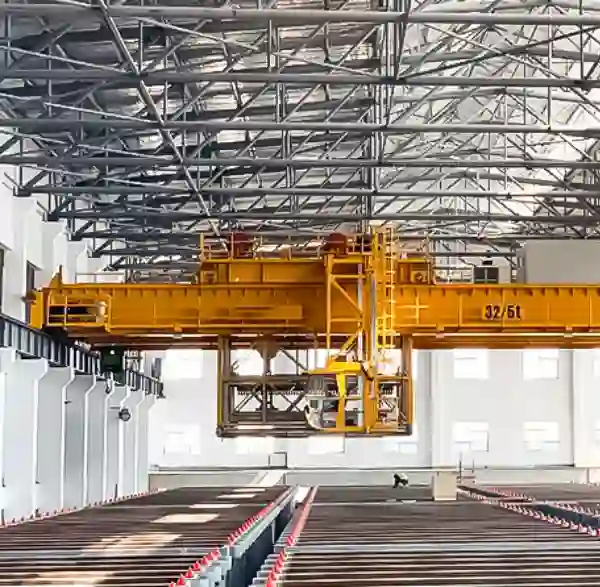
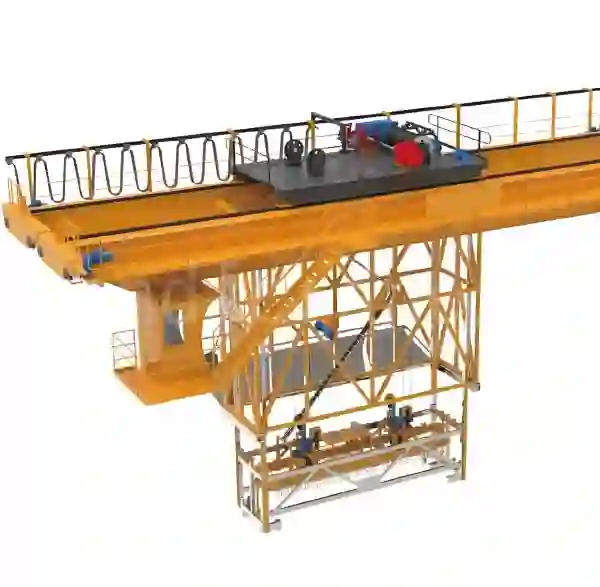
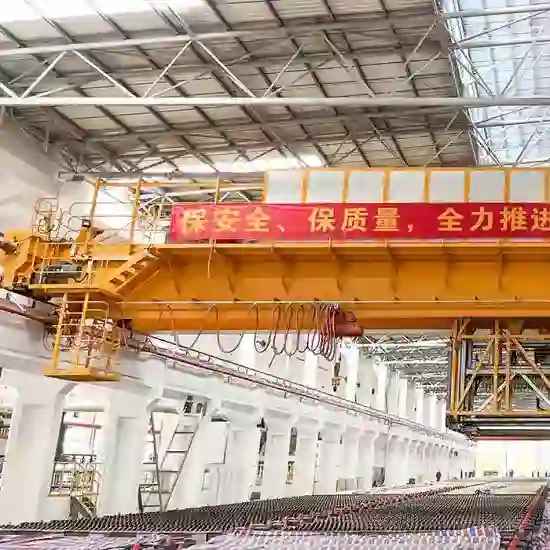
The Electrolytic Copper Overhead Crane is a specialized material handling system designed for the demanding environment of copper electrorefining and electrowinning facilities. In the copper refining process, electrolytic cells containing anodes of impure copper and cathodes (either starter sheets or permanent stainless steel blanks) are immersed in an electrolyte solution. An electric current is passed through the cells, causing pure copper to deposit onto the cathodes while impurities settle as anode slime. This process requires precise, frequent, and reliable handling of heavy anodes, cathodes, and associated equipment in an environment characterized by corrosive electrolytes, high humidity, acidic fumes, and heavy electrical currents.
TECHNICAL DATA
| Parameter | Specification | Parameter | Specification |
|---|---|---|---|
| Type | Electrolytic copper overhead crane | Work Class | A6 / A7 |
| Lifting Capacity | 5–25 t (customizable) | Lifting Mechanism | Electric hoist or winch with VFD |
| Span | 10–30 m (customizable) | Travel Speeds | Lifting: 0–6 m/min, Cross: 0–25 m/min, Long: 0–35 m/min |
| Lifting Height | 6–18 m (customizable) | Control Mode | Remote radio (standard) / cabin (optional) |
| Spreader | Mechanical or hydraulic cathode / anode spreader; corrosion-resistant coating | Positioning Accuracy | ±5 mm |
| Power Supply | 380–690V, 50/60 Hz | Automation | Manual or semi-automatic with preset positioning |
| Safety | Overload, limit switches, anti-sway, emergency stop | Standards | ISO, FEM, DIN, GB |
RELATED PRODUCTS

APPLICATION
1. Anode Preparation & Loading Anode Receiving: Unloading copper anodes from casting wheels, storage racks, or transport vehicles with careful handling to prevent damage. Anode Racking: Loading anodes onto specially designed racks or conveyor systems for washing, inspection, and quality verification.Anode Spacing: Ensuring consistent spacing between anodes and cathodes for uniform current distribution and efficient copper deposition.
2. Cathode Preparation & Loading Starter Sheet Handling: Lifting and positioning thin copper starter sheets (or permanent stainless steel blanks) for installation into cells.Edge Strip Installation: Handling and positioning edge strips or masking materials to control copper deposition patterns.Cathode Racking: Loading cathodes onto racks or conveyors for washing, inspection, and preparation.
3. Electrolytic Cell Operations Electrode Positioning: Fine‑tuning anode and cathode positions to maintain proper alignment and spacing throughout the electrolysis cycle.Short Circuit Detection Support: Lifting and repositioning electrodes to address short circuits detected during cell monitoring.Cell Voltage Adjustment: Assisting in manual or automated adjustment of electrode connections to balance cell voltage.
4. Cathode Stripping & Harvesting Cell Unloading: Lifting cathodes from cells after the electrolysis cycle is complete (typically 7–14 days), with careful handling to prevent damage to deposited copper.Stripping Machine Feeding: Delivering loaded cathodes to automated stripping machines where pure copper sheets are removed from starter sheets or permanent blanks.Stripped Copper Handling: Lifting and stacking stripped copper sheets (cathode plates) for washing, weighing, bundling, and shipment.
5. Anode Scrap & Slime Management Spent Anode Removal: Lifting and removing partially consumed anodes (anode scrap) from cells after the refining cycle.Anode Scrap Handling: Transporting anode scrap to melting furnaces or storage areas for recycling back to the anode casting process.Anode Slime Collection: Lifting and positioning containers or equipment for collecting anode slime (containing precious metals such as gold, silver, selenium, tellurium) for further processing.
6. Permanent Cathode Technology (PC) Operations Blank Handling: Lifting and positioning stainless steel permanent cathode blanks for cell loading and stripping operations.Blank Edge Preparation: Supporting the installation and maintenance of edge strips, gaskets, and protective coatings on permanent blanks.Strip Cycle Management: Coordinating the loading, stripping, and return of permanent blanks with automated stripping machines.