Anode Carbon Stacking Overhead Crane
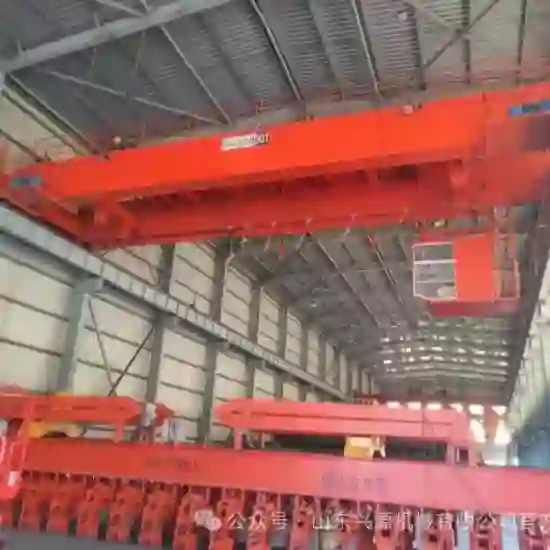
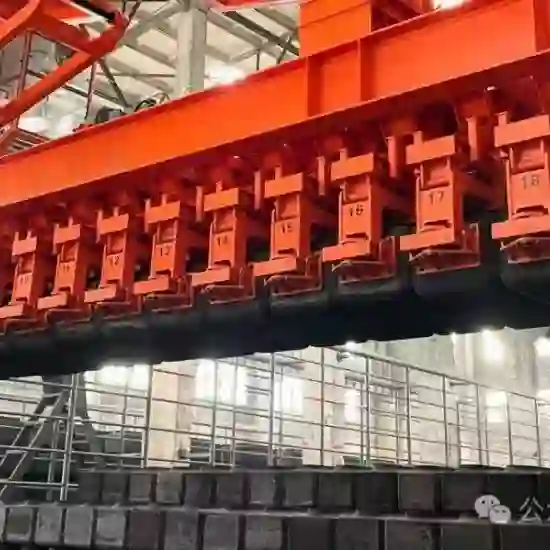


Introduction
Technical Data
Application
Features
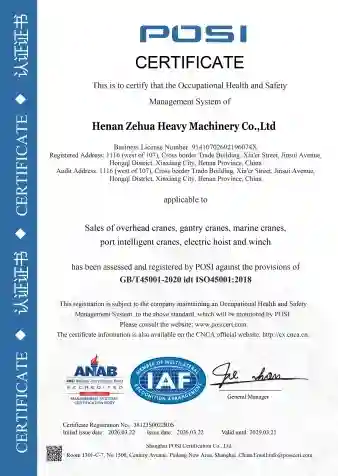
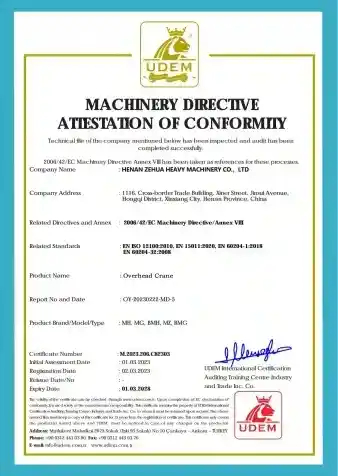
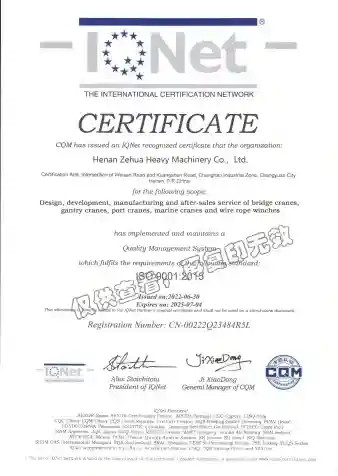
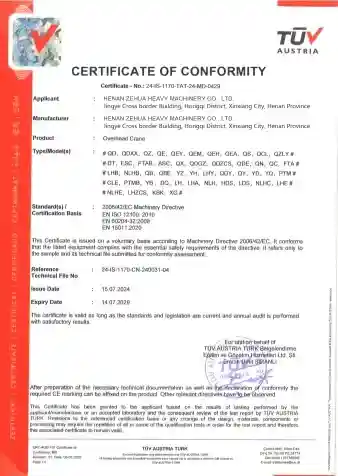
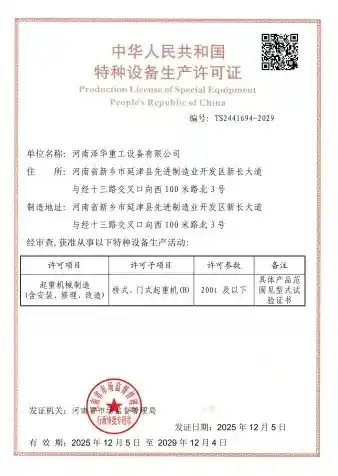
Certificate
Inquiry
PRODUCT INTRODUCTION
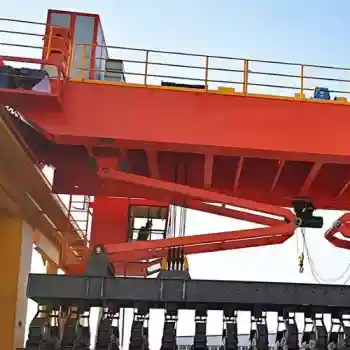
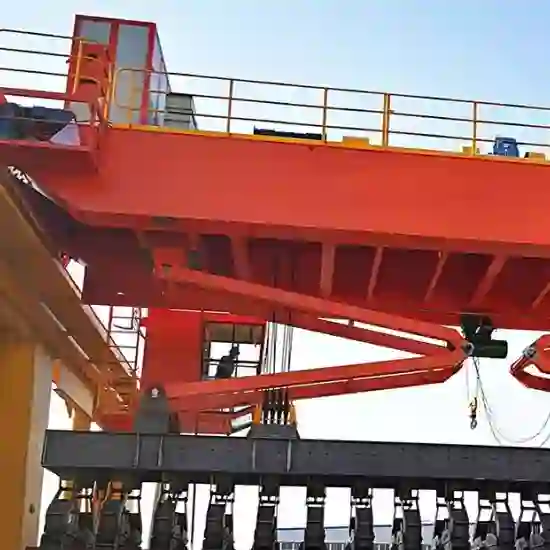
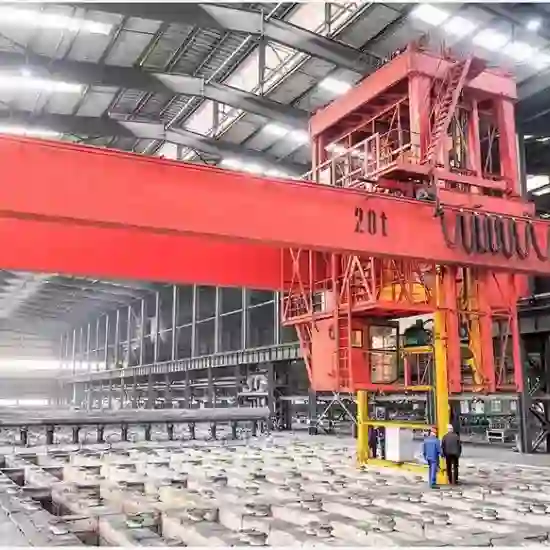
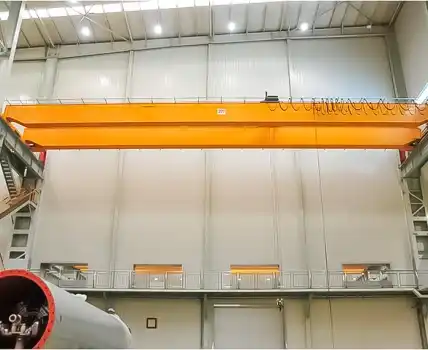
The Anode Carbon Stacking Overhead Crane is a specialized material handling system designed specifically for the aluminum smelting industry, where it plays a critical role in the production, storage, and handling of pre‑baked anodes. Pre‑baked anodes are essential components in the Hall‑Héroult electrolytic process, serving as the positive electrode in aluminum reduction cells. These anodes are large carbon blocks weighing several tons each, requiring precise, damage‑free handling throughout their lifecycle—from green carbon forming and baking to rodding and finally delivery to the potroom.
TECHNICAL DATA
| Parameter | Specification | Parameter | Specification |
|---|---|---|---|
| Product Type | Anode Carbon Stacking Overhead Crane | Work Class | A6, A7, A8 |
| Lifting Capacity | 15-80T | Span | 13.5-35m (customizable) |
| Lifting Height | 15 – 30 m (customizable) | Work Duty Class | A6 – A8 |
| Clamp Lifting Speed | 2.5 – 6.3 m/min | Trolley / Cross Travel Speed | 6 – 60 m/min |
| Crane / Long Travel Speed | 5 – 60 m/min | Max Wheel Load | 265 – 285 kN |
| Total Power | 128 – 134 kW | Working Temperature | -10°C to +60°C |
| Power Supply | 15 – 30 m (customizable) | Certification | ISO, CE |
| Place of Origin | Henan, China | Weight Overload Protection Device | Include |
| Emergency Stop System | Include | Current Overload Protection System | Include |
RELATED PRODUCTS

APPLICATION
1. Green Carbon Anode Storage & Handling Green Anode Unloading: Receiving green (unbaked) anodes from forming presses and stacking them on storage racks or curing areas prior to baking.Batch Formation: Grouping green anodes into batches for transport to the baking furnace, ensuring proper spacing and orientation.Furnace Charging: Lifting and positioning green anodes into baking furnace pits (open or closed type) with precise alignment to maintain uniform heating.
2. Baking Furnace Operations Furnace Pit Loading: Placing green anodes into baking furnace pits (ring furnaces or tunnel kilns) with precise spacing to ensure uniform carbonization.Packing Material Handling: Lifting and positioning packing coke, cover material, and refractory components during furnace preparation.Furnace Maintenance: Supporting maintenance activities by lifting furnace walls, flue components, and refractory sections.
3. Baked Anode Storage & Inventory Management High‑Density Stacking: Stacking baked anodes in dense storage configurations (typically 3–5 tiers high) to maximize storage capacity within carbon plants.Inventory Organization: Arranging anodes by quality grade, production date, and destination potroom for efficient retrieval.First‑In, First‑Out (FIFO) Management: Supporting FIFO inventory systems with precise retrieval capabilities for aging and quality control.
4. Anode Rodding Shop Operations Rodding Line Feeding: Lifting baked anodes from storage and delivering them to the rodding shop conveyor or assembly stations.Cast Iron Pouring Support: Positioning anodes for cast iron pouring operations where steel stub rods are attached to the anode carbon block.Thumbler Cleaning: Feeding anodes into thumbler cleaning equipment for removal of packing coke and surface contaminants.
5. Potroom Anode Delivery Anode Transport to Potlines: Lifting and loading baked anodes onto specialized transport vehicles (anode trucks, forklifts, or conveyors) for delivery to reduction cells. Cell Charging Support: Positioning anodes for overhead anode changing vehicles or directly into reduction cell superstructures.Spent Anode Removal: Handling spent (consumed) anodes removed from reduction cells, transporting them to spent anode storage or recycling areas.
6. Anode Butt Recycling & Crushing Butt Storage Management: Stacking and organizing spent anode butts in storage areas prior to crushing and recycling.Crusher Feeding: Lifting and feeding anode butts into primary and secondary crushers for carbon recovery and reuse.Material Sorting: Separating butts by quality, size, and contamination level for optimized recycling processes.