QL Parallel Type Hanging Overhead Crane


Introduction
Technical Data
Application
Features
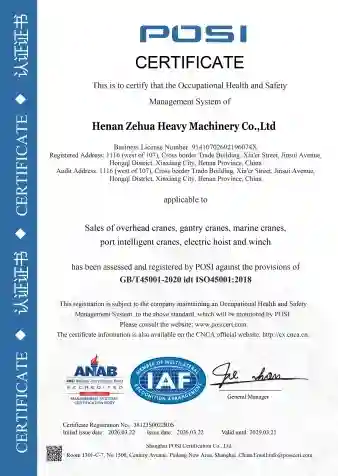
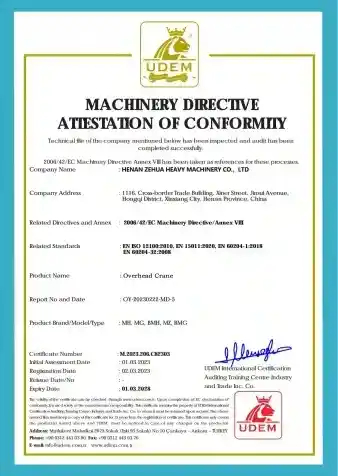
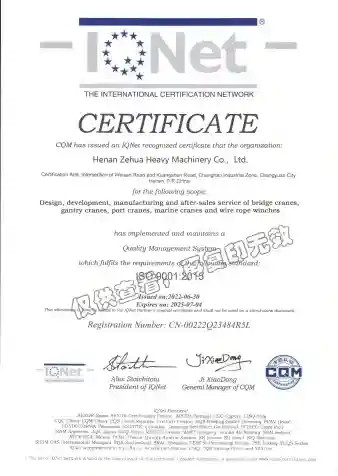
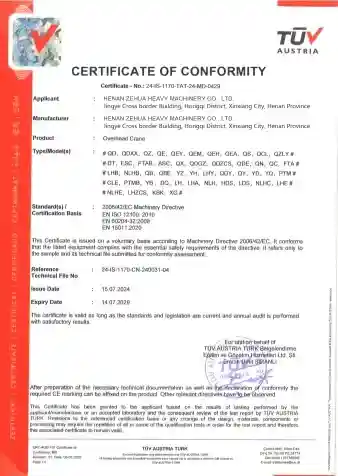
Certificate
Inquiry
PRODUCT INTRODUCTION
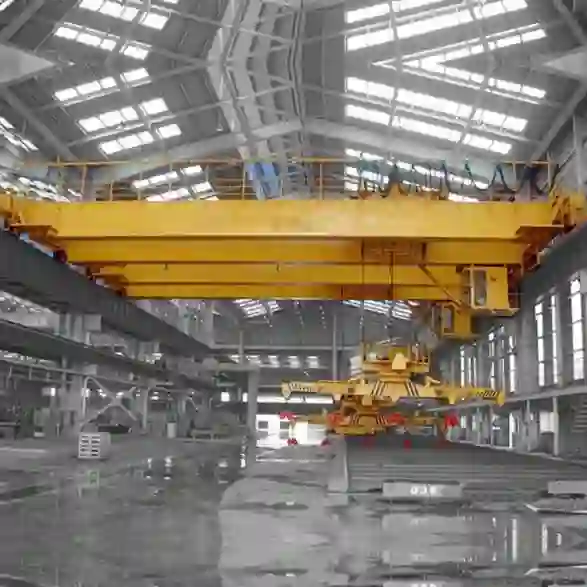
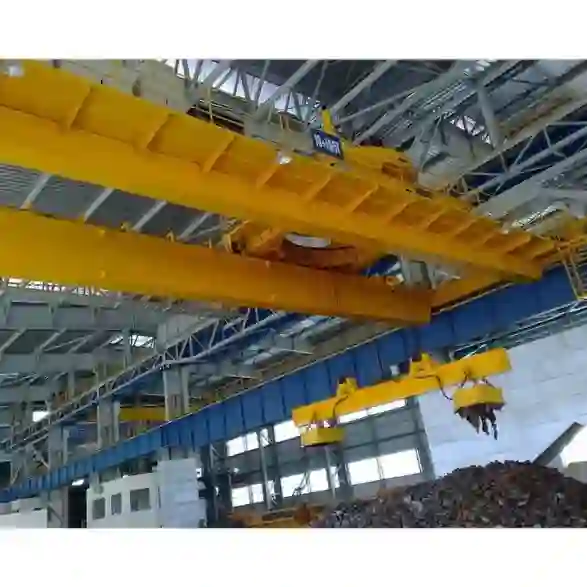
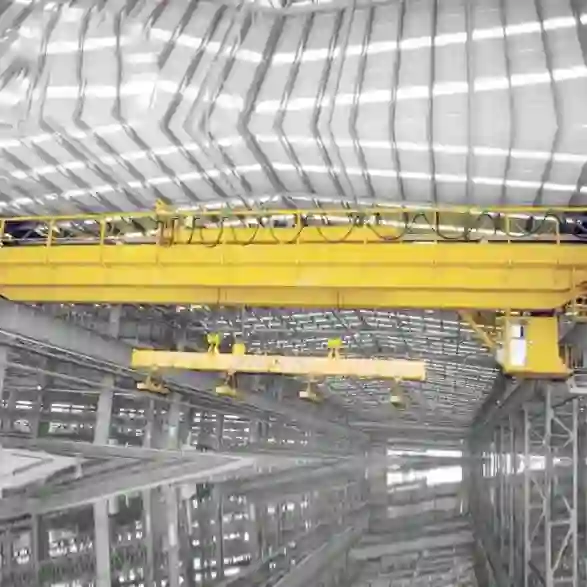
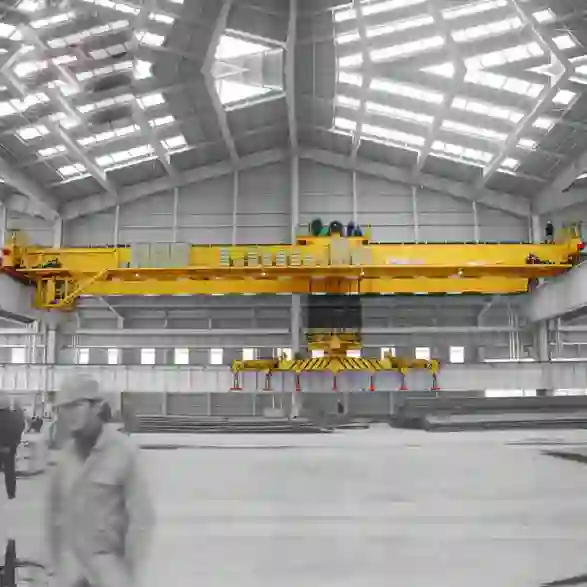
The QL Parallel Type Hanging Overhead Crane is a compact, space‑optimized material handling solution designed for facilities where floor space is limited and structural support from existing building columns is either unavailable or undesirable. Unlike traditional top‑running cranes that require runway beams supported by columns, the QL parallel type hanging crane is suspended directly from the overhead building structure—typically roof trusses, steel beams, or reinforced concrete ceilings—using a parallel rail system.
TECHNICAL DATA
| Parameter | Specification | Parameter | Specification |
|---|---|---|---|
| Product Name | QL Parallel Type Hanging Overhead Crane | Lifting Capacity | 5+5 t – 25+25 t |
| Span Length | 10.5 m – 31.5 m | Lifting Height | 12 m – 16 m (customizable) |
| Work Duty Class | A6 – A7 | Lifting Speed | 9.8 – 15.66 m/min |
| Trolley Travel Speed | 39.6 – 44.6 m/min | Crane Travel Speed | 74.2 – 116.8 m/min |
| Control Method | Remote control / Pendant control | Power Supply | (customizable) |
| Working Temperature | -25°C to +45°C | Core Components | Motor, gearbox, electromagnetic beam, trolley, electrical system |
| Hanging Beam Direction | Parallel to main girder | Certification | CE, ISO9001 |
| Place of Origin | Henan, China |
RELATED PRODUCTS

APPLICATION
1. Low‑Headroom Manufacturing Facilities Factory Retrofits: Installing overhead lifting capability in existing factories where ceiling height is limited and floor space cannot accommodate support columns.Machinery Servicing: Lifting motors, pumps, and machine components for maintenance in facilities with restricted vertical clearance.Assembly Stations: Providing localized lifting at workstations where traditional cranes cannot be installed due to height constraints.
2. Warehouses & Distribution Centers Narrow‑Aisle Storage: Operating in warehouses with narrow aisles where floor‑mounted forklifts or column‑supported cranes cannot maneuver.High‑Density Racking: Servicing storage racks with precise lifting for palletized goods, cartons, and oversized items.\r\nCross‑Docking Operations: Supporting rapid transfer of goods between receiving and shipping areas without obstructing floor traffic.
3. Automotive Service & Repair Shops Engine & Transmission Removal: Lifting engines, transmissions, and drivetrain components from vehicles in repair bays with limited overhead clearance.Parts Handling: Moving heavy components (cylinder heads, brake calipers, suspension assemblies) between workbenches and storage.Vehicle Maintenance: Supporting specialized repairs on trucks, buses, and heavy equipment where traditional floor cranes are impractical.
4. Machine Shops & Fabrication Workshops Workpiece Positioning: Lifting raw materials (bars, plates, castings) onto CNC machines, lathes, mills, and grinding stations.Tool & Fixture Handling: Moving heavy vises, rotary tables, and work holding fixtures between machines.Finished Part Removal: Lifting completed workpieces from machines for inspection, packaging, or further processing.
5. Assembly Lines & Production Cells Workstation Support: Providing dedicated lifting at individual assembly stations for component installation, reducing manual lifting and operator fatigue.\r\nLine‑Side Material Feeding: Lifting and positioning bins, trays, and containers of components alongside assembly lines.Flexible Manufacturing Cells: Supporting reconfigurable production cells where crane positioning must adapt to changing layouts.
6. Laboratories & Research Facilities Sensitive Equipment Handling: Lifting and positioning delicate laboratory instruments, analytical equipment, and experimental apparatus with precise, vibration‑free control.Cleanroom Operations: Available with stainless steel components and sealed drives for use in cleanroom environments.Prototype Assembly: Moving heavy prototype components, test fixtures, and measurement equipment in R&D facilities.