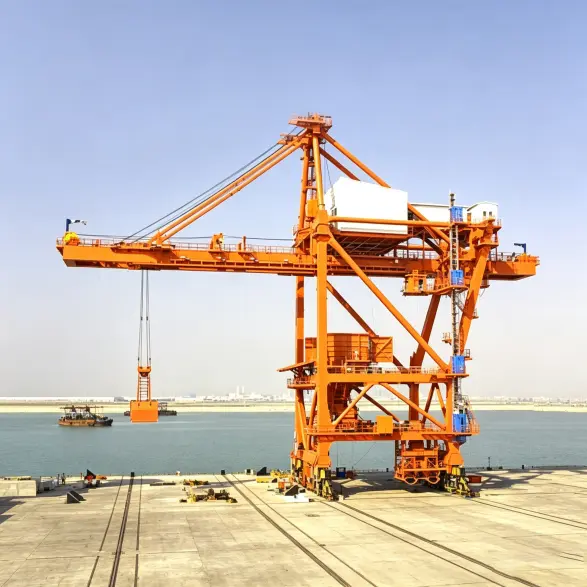
Grab-type Ship-to-Shore Crane


Introduction
Technical Data
Application
Features
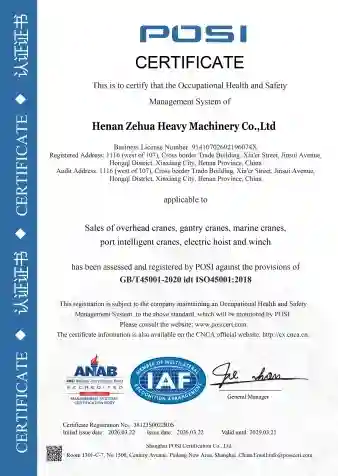
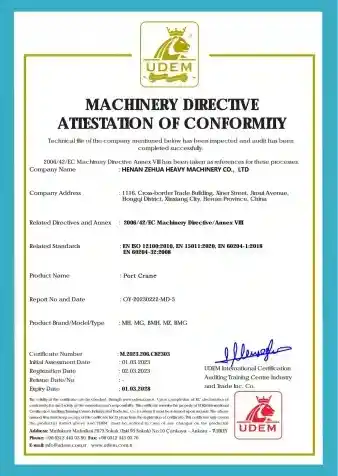
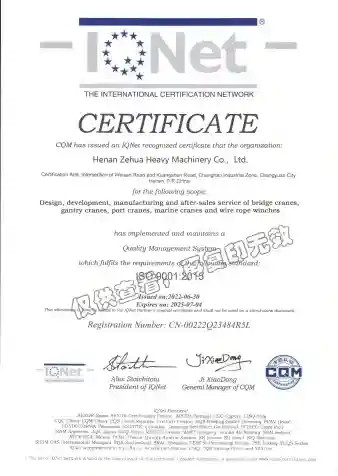
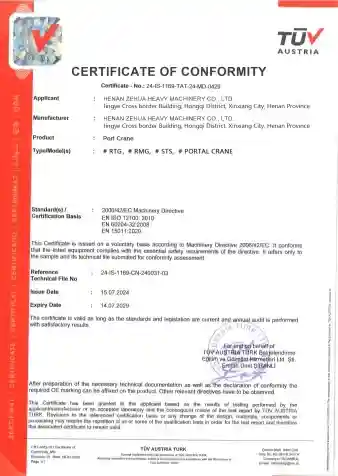
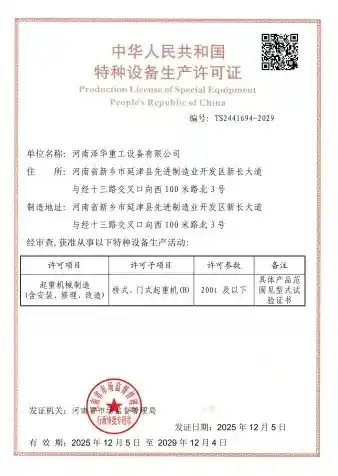
Certificate
Inquiry
PRODUCT INTRODUCTION
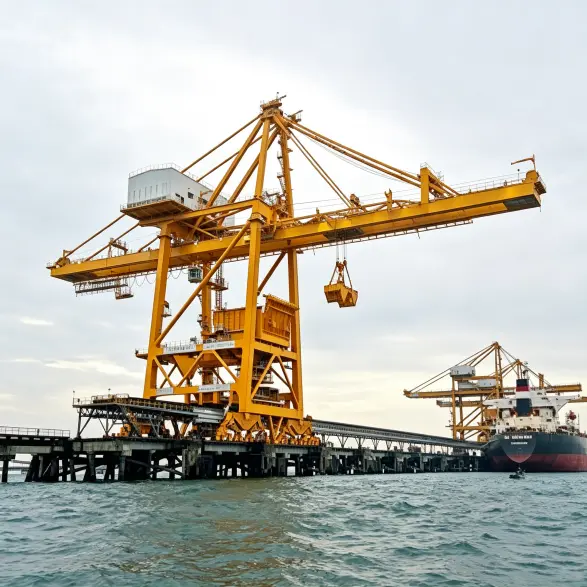
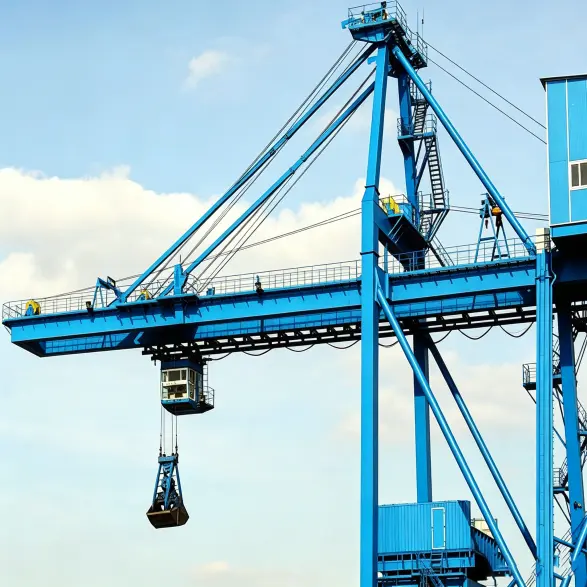
The Grab-Type Ship-to-Shore (STS) Crane is a specialized bulk material handling system designed for high-efficiency unloading of dry bulk cargo from vessels to shore-based receiving systems. Unlike container STS cranes that handle standardized ISO containers, this variant is equipped with a clamshell grab attachment and is purpose-built for continuous, high-volume operations handling coal, iron ore, grain, fertilizers, cement, clinker, and other bulk commodities .
TECHNICAL DATA
| Parameter | Specification | Parameter | Specification |
|---|---|---|---|
| Product Model | G-STS Series (Grab-Type Ship-to-Shore Crane) | Design Standard | FEM / DIN / ISO / GL |
| Working Duty Class | A8 | Rated Lifting Capacity (Grab) | 20 – 65 t |
| Unloading Capacity | 150 – 8,000 t/h | Grab Volume | 0.5 – 50 m³ |
| Lifting Height – Above Rail | 25 – 62 m | Lifting Height – Below Rail | 12 – 20 m |
| Span | 16 – 30.48 m | Hoisting Speed | 50 – 90 m/min |
| Control Voltage | (customizable) | Operating Temperature | -20°C to +45°C |
RELATED PRODUCTS

APPLICATION
1.This crane is primarily deployed at coal and ore terminals, where it handles high-density bulk cargoes such as thermal coal, metallurgical coal, and iron ore. Operating around the clock, it unloads vessels ranging from 10,000 to 300,000 DWT, transferring material directly to shore-side conveyors or stockyards. The dual-hoist system and heavy-duty clamshell grab ensure sustained throughput rates of up to 8,000 tons per hour, making it the backbone of high-volume export/import bulk ports.
2.At grain and agricultural product terminals, the crane is equipped with flow-optimized grabs and gentle-handling controls to minimize seed damage and product degradation. It efficiently unloads soybeans, wheat, corn, and other bulk agri-commodities from ocean-going vessels, feeding into pneumatic or belt conveyor systems that route material to silos and storage facilities. The crane's precise positioning and sway-damping features allow operators to work cleanly within narrow hatch openings without spillage.
3.In cement, clinker, and fertilizer operations, the crane is fitted with dust-suppression systems and specially sealed grabs to handle fine, powdery, or abrasive materials. It unloads directly into hoppers equipped with dust filters, ensuring compliance with stringent environmental regulations. The electro-hydraulic or radio-controlled grab options enable incremental discharge, allowing precise filling of receiving hoppers and reducing material loss during transfer.
4.For industrial and power plant docks, the crane serves as a captive raw-material intake system. It receives coal for power generation or limestone and bauxite for manufacturing processes, feeding directly into the plant's internal material-handling network. The crane's storm-locking and high-wind resistance features ensure reliable operation in exposed coastal environments, while its gantry traveling capability allows it to service multiple berth positions along a single quay.