Electrolytic Aluminum Multi Function Crane



Introduction
Technical Data
Application
Features
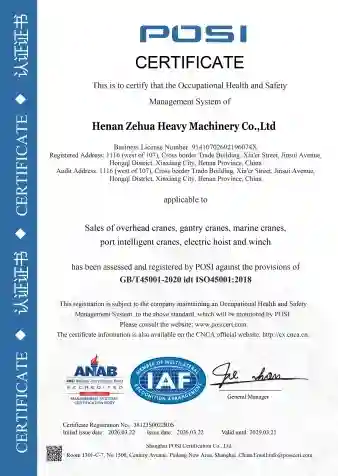
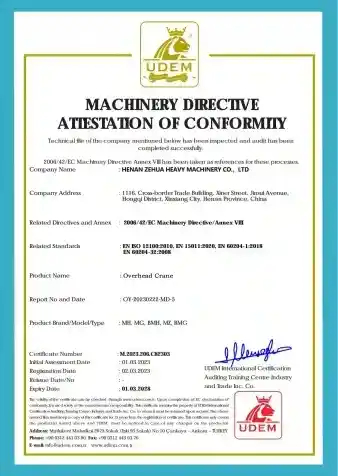
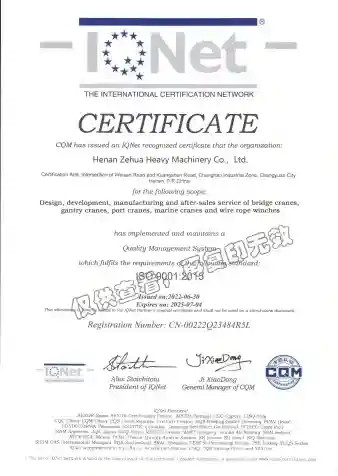
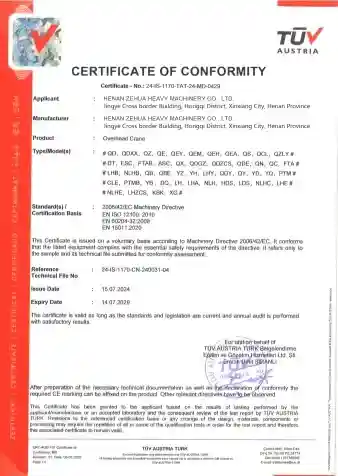
Certificate
Inquiry
PRODUCT INTRODUCTION
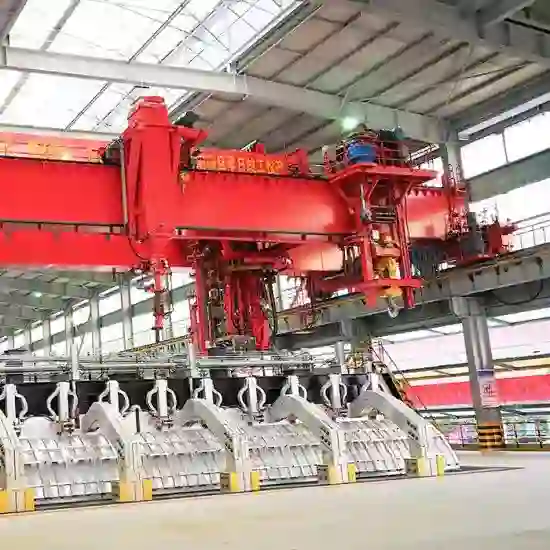
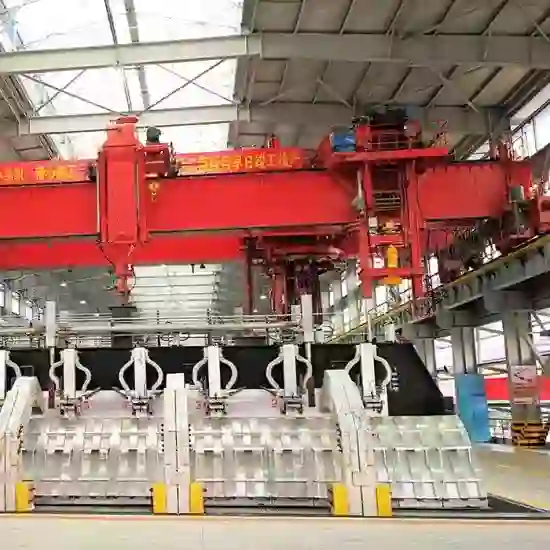
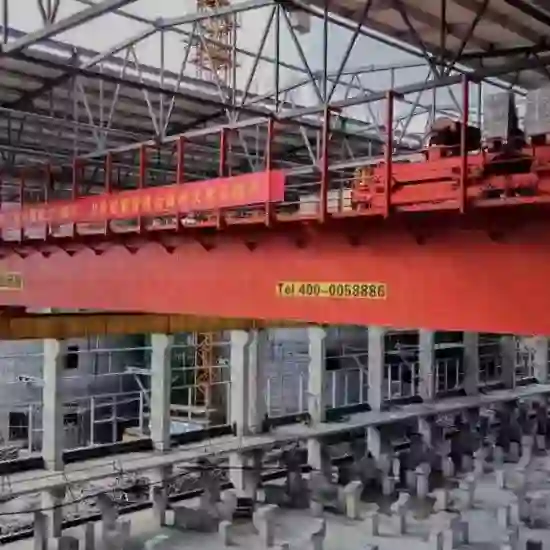
The Electrolytic Aluminum Multi‑Function Crane (MFC) , also known as an Anode Changing Crane or Pot Tending Machine (PTM), is a highly specialized overhead crane system designed for the demanding environment of aluminum smelting potrooms. It is the central piece of equipment in the Hall‑Héroult electrolytic process, responsible for the critical tasks of anode changing, alumina feeding, molten metal tapping, and electrolytic cell maintenance—all within the harsh conditions of high temperature, strong magnetic fields, corrosive gases, and heavy dust.
TECHNICAL DATA
| Parameter | Specification | Parameter | Specification |
|---|---|---|---|
| Type | Electrolytic aluminum multi-function crane | Lifting Capacity | 10~32 t (main hoist) |
| Lifting Mechanism | Electric winch with closed-loop speed control | Work Class | A7 / A8 |
| Span | 15~35 m (customizable) | Travel Speeds | Lifting: 0~8 m/min, Cross: 0~30 m/min |
| Lifting Height | 8~25 m (customizable) | Control Mode | Cabin (joystick) + remote radio backup |
| Special Functions | Anode clamping, crust breaking, alumina feeding, pot tending | Positioning Accuracy | ±3~5 mm (laser / encoder) |
| Power Supply | (customizable) | Automation | Semi-auto / full-auto with pot-room management interface |
| Safety | Overload, anti-collision, limit switches, emergency stop | Standards | Standards |
| Working Temperature | -10°C to +60°C | Place of Origin | Henan, China |
RELATED PRODUCTS

APPLICATION
1. Anode Changing Spent Anode Removal: Lifting and removing spent (consumed) anodes from the electrolytic cell after their operational life, typically every 20–28 days.New Anode Installation: Positioning and lowering new pre‑baked anodes into the cell, ensuring proper alignment with the cathode and electrical contacts.Anode Alignment: Precisely adjusting anode position and height to maintain optimal electrical current distribution and cell performance.
2. Alumina Feeding Crust Breaking: Using the crust breaker tool to penetrate the frozen electrolyte crust that forms on the surface of the molten bath.Alumina Addition: Feeding fresh alumina (aluminum oxide) into the cell through the opened crust to maintain the required concentration in the electrolyte.Point Feeding Support: Assisting automated point feeders or performing manual feeding operations when automatic systems are offline.
3. Molten Metal Tapping (Metal Siphoning) Metal Extraction: Using a tapping ladle or vacuum pump to extract molten aluminum from the cell at regular intervals (typically daily or every 24–48 hours).Tapping Precision: Positioning the tapping tool accurately to remove molten metal without disturbing the electrolyte layer or damaging the cathode.Metal Transport: Lifting and transporting the filled tapping ladle to the casting plant or holding furnaces for further processing.
4. Electrolytic Cell Maintenance Anode Rod Replacement: Lifting and replacing damaged or worn anode rods and connections.Cell Cleaning: Removing sludge, carbon deposits, and debris from the cell bottom using specialized cleaning tools.Cathode Inspection: Positioning tools and personnel for inspection of cathode condition and integrity.
5. Crust & Cover Material Handling Crust Removal: Breaking and removing excess crust material from cell edges, anode yokes, and superstructure.Cover Material Replacement: Lifting and adding cover material (crushed bath, alumina) to cell surfaces for thermal insulation and fume control.Side Channel Cleaning: Clearing side channels and collection areas to maintain proper bath circulation.
6. Anode Setting & Voltage Adjustment Anode Height Adjustment: Precisely raising or lowering anodes to control cell voltage and maintain optimal current distribution.Anode Effect Suppression: Responding to anode effects (voltage spikes) by rapid anode manipulation and alumina feeding.Current Distribution Balancing: Adjusting individual anodes to balance current flow across the cell, improving efficiency and reducing energy consumption.