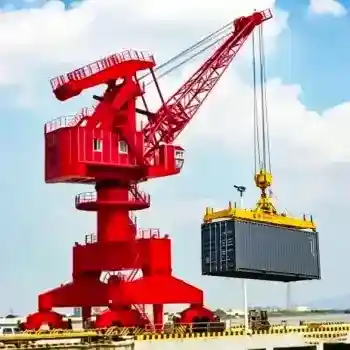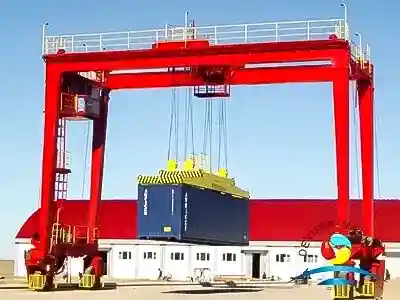
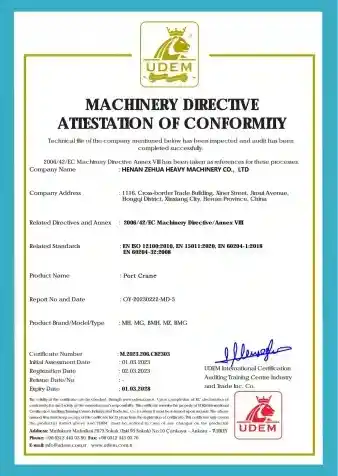
Straddle Carrier
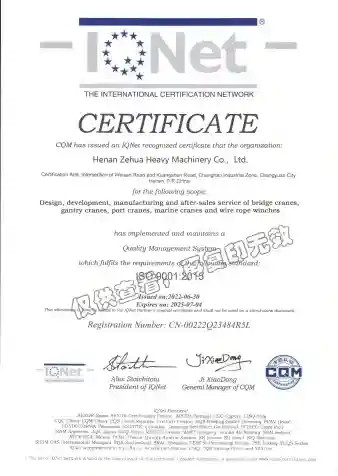
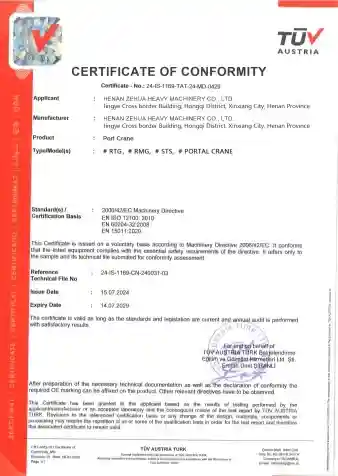
Authentication mark:
For customized products, please fill out information and submit the form.
Capacity:
40t
Lifting Height:
5.75m
Voltage/Hertz:
220V, Customized
Working Class:
A7,A8
Span:
7m
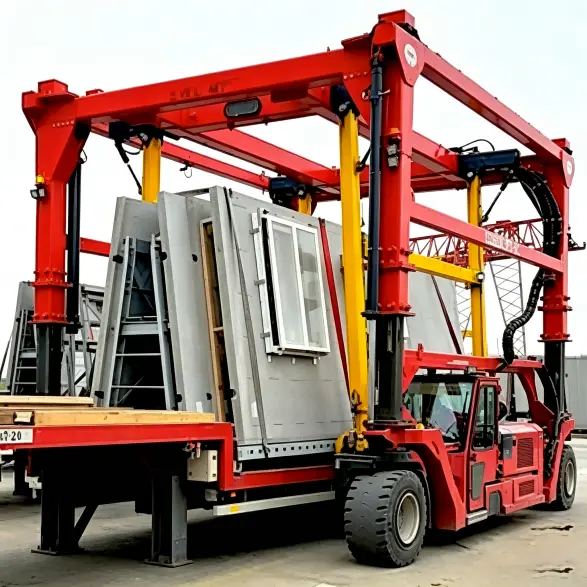
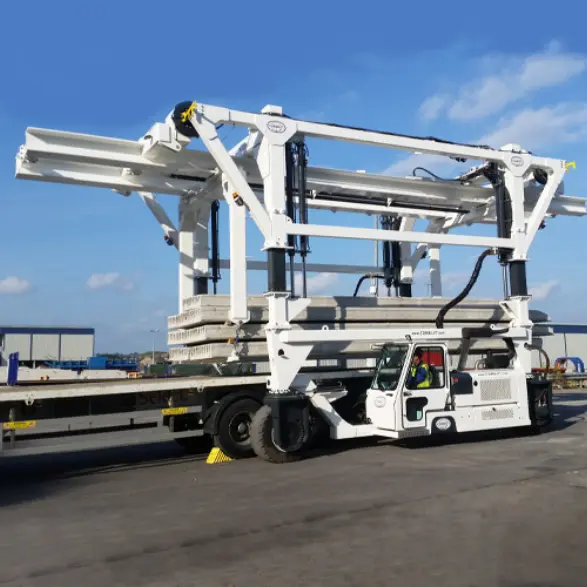
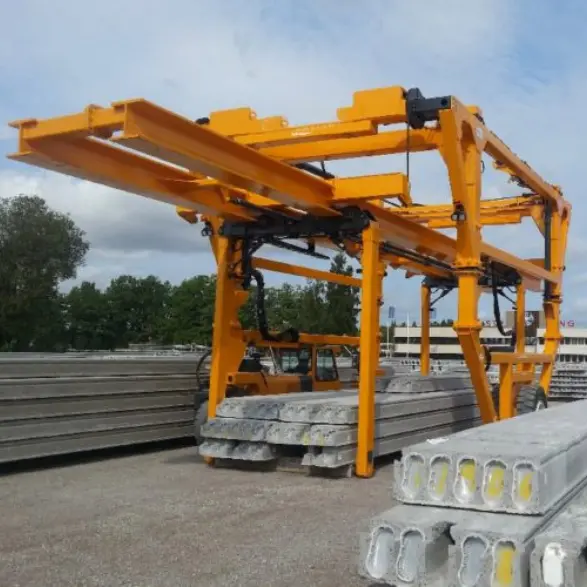
Apply: Straddle Carrier is a kind of heavy-duty transportation equipment widely used in ports and terminals, which integrates the functions of yard trestle and collector truck
CONSULT
WHATSAPP
Introduction
Technical Data
Application
Features
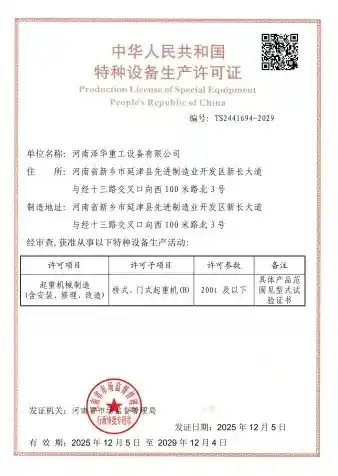
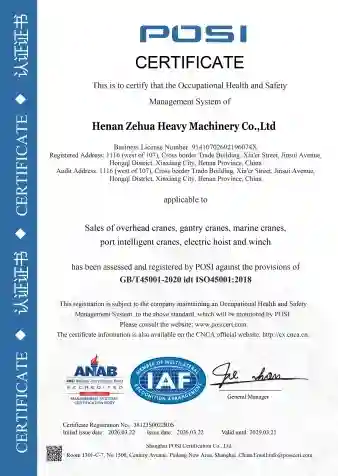
Certificate
Inquiry
PRODUCT INTRODUCTION
The Straddle Carrier, also known as a straddle truck or container carrier, is a versatile, self‑propelled material handling machine designed for lifting, transporting, and stacking intermodal containers, heavy cargo, and oversized loads within ports, intermodal terminals, logistics yards, and heavy industrial facilities. Unlike overhead cranes or rubber‑tyred gantry cranes (RTGs), the straddle carrier combines the mobility of a vehicle with the lifting and stacking capability of a crane, allowing it to move freely throughout a terminal, straddle container stacks, and position loads with precision.
TECHNICAL DATA
APPLICATION
1. Container Terminal Operations
Vessel Discharge: Lifting containers from ship‑to‑shore (STS) cranes or directly from vessel hatches and transporting them to yard storage or truck loading areas.
Inter‑Bay Transport: Moving containers between terminal zones, including between vessel berths, storage yards, and gate complexes.
Terminal Redistribution: Reorganizing yard storage to optimize container positioning for vessel loading, reducing crane travel times and improving operational efficiency.
2. Intermodal Rail Terminals Railcar Loading/Unloading: Straddling railcars to load or unload containers directly from railcars to ground or to waiting trucks, eliminating the need for fixed gantry cranes. Double‑Stack Train Support: Handling containers on double‑stack railcars, with straddle carriers designed for the height required to clear top‑stack containers. Rail Terminal Integration: Coordinating with rail yard management systems for efficient container transfer between rail, road, and storage.
3. Truck & Gate Operations Truck Loading/Unloading: Lifting containers directly from truck chassis for storage or transferring export containers from storage onto trucks for outbound delivery. Gate Processing: Supporting gate complexes by efficiently moving containers between check‑in/check‑out areas and storage yards. Chassis Exchange: Lifting containers to facilitate chassis swaps or repairs without requiring separate lifting equipment.
4. Empty Container Depots Empty Container Stacking: Stacking empty containers up to 4–5 high in dedicated depot areas, maximizing storage density. Inspection & Repair Support: Lifting empty containers for inspection, cleaning, and repair operations, moving them between storage and repair bays. Depot Reorganization: Reconfiguring empty container stacks to optimize space utilization, facilitate FIFO inventory management, or accommodate changing customer demands.
5. Port & Terminal Maintenance Yards Maintenance Area Support: Lifting and moving containers, equipment, and materials within maintenance and repair facilities. Reefer Container Handling: Transporting refrigerated (reefer) containers to plug‑in areas for temperature monitoring and power connection. Container Cleaning: Lifting containers for high‑pressure washing and interior cleaning between cargo types.
6. Heavy Lift & Project Cargo Handling Oversized Cargo Transport: Lifting and transporting non‑standard cargo (machinery, wind turbine components, transformers) using specialized spreader beams or lifting attachments. Flat Rack & Open Top Container Handling: Handling specialized containers with unusual dimensions or loading configurations. Breakbulk Support: Assisting in the transfer of heavy breakbulk cargo between storage areas and vessels or trucks.
2. Intermodal Rail Terminals Railcar Loading/Unloading: Straddling railcars to load or unload containers directly from railcars to ground or to waiting trucks, eliminating the need for fixed gantry cranes. Double‑Stack Train Support: Handling containers on double‑stack railcars, with straddle carriers designed for the height required to clear top‑stack containers. Rail Terminal Integration: Coordinating with rail yard management systems for efficient container transfer between rail, road, and storage.
3. Truck & Gate Operations Truck Loading/Unloading: Lifting containers directly from truck chassis for storage or transferring export containers from storage onto trucks for outbound delivery. Gate Processing: Supporting gate complexes by efficiently moving containers between check‑in/check‑out areas and storage yards. Chassis Exchange: Lifting containers to facilitate chassis swaps or repairs without requiring separate lifting equipment.
4. Empty Container Depots Empty Container Stacking: Stacking empty containers up to 4–5 high in dedicated depot areas, maximizing storage density. Inspection & Repair Support: Lifting empty containers for inspection, cleaning, and repair operations, moving them between storage and repair bays. Depot Reorganization: Reconfiguring empty container stacks to optimize space utilization, facilitate FIFO inventory management, or accommodate changing customer demands.
5. Port & Terminal Maintenance Yards Maintenance Area Support: Lifting and moving containers, equipment, and materials within maintenance and repair facilities. Reefer Container Handling: Transporting refrigerated (reefer) containers to plug‑in areas for temperature monitoring and power connection. Container Cleaning: Lifting containers for high‑pressure washing and interior cleaning between cargo types.
6. Heavy Lift & Project Cargo Handling Oversized Cargo Transport: Lifting and transporting non‑standard cargo (machinery, wind turbine components, transformers) using specialized spreader beams or lifting attachments. Flat Rack & Open Top Container Handling: Handling specialized containers with unusual dimensions or loading configurations. Breakbulk Support: Assisting in the transfer of heavy breakbulk cargo between storage areas and vessels or trucks.
FEATURES
1
Straddle Configuration: High‑clearance frame allows the machine to straddle containers, trucks, and railcars, enabling direct pick‑up and drop‑off without additional handling equipment.
2
Lifting & Stacking Capability: Hydraulic or cable hoist systems enable lifting containers from ground level and stacking up to 3–4 tiers high.
3
High Mobility: Self‑propelled with diesel‑electric or electric drive systems, allowing free movement throughout the terminal without fixed rails or guide paths.
4
Spreader System: Telescopic spreader with twist locks for handling 20ft, 40ft, and 45ft ISO containers, with optional twin‑lift capability.
5
High Lifting Capacity: Typically ranges from 30 tons to 70+ tons, depending on configuration and application.
6
Advanced Drivetrain: Hydrostatic, diesel‑electric, or fully electric drive systems provide smooth acceleration, precise control, and energy efficiency.
CERTIFICATE
RELATED PRODUCTS