Mobile Harbour Crane


Introduction
Technical Data
Application
Features
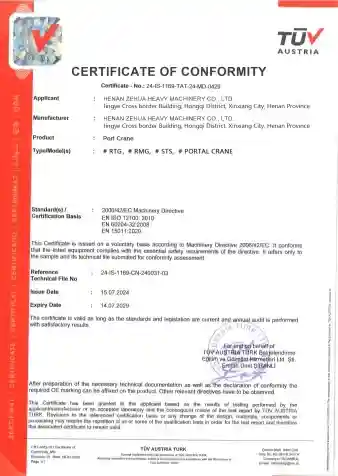
Certificate
Inquiry
PRODUCT INTRODUCTION
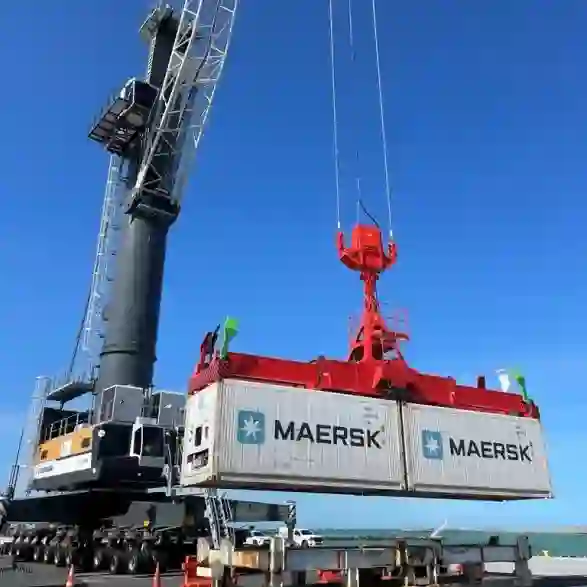
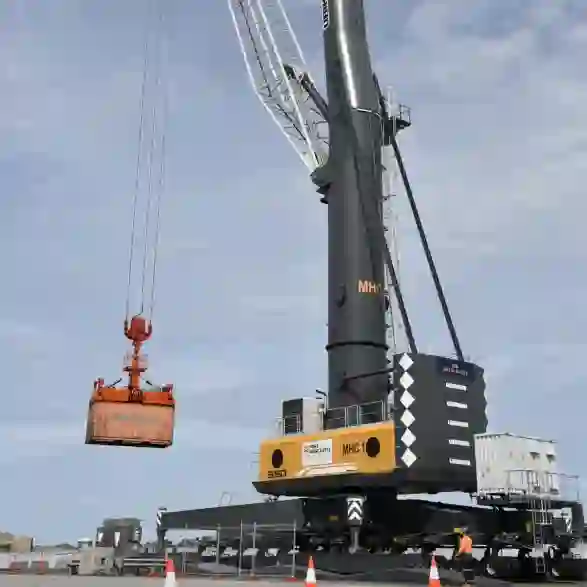
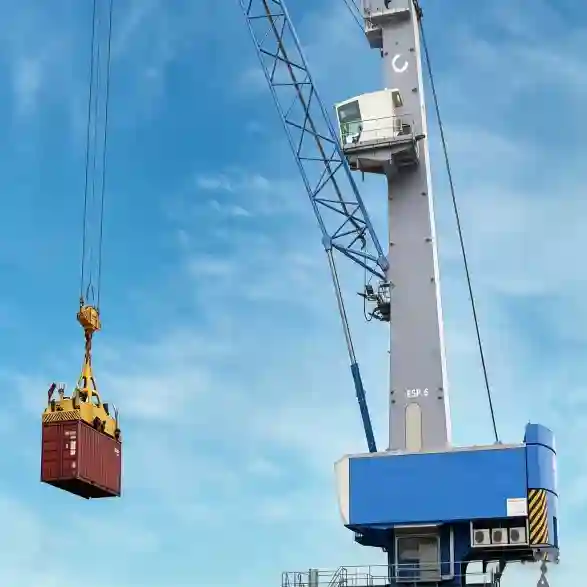
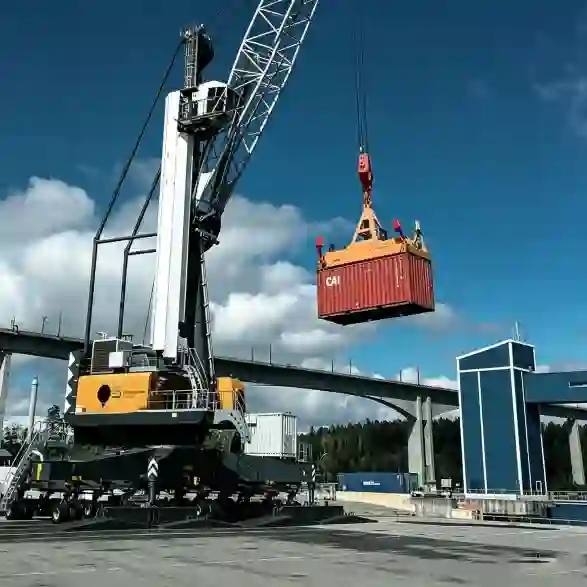
Mobile Harbour Crane (MHC crane) is a kind of heavy duty mobile crane specially designed for port cargo handling, usually equipped with tire-type or rail-type traveling mechanism, which can be flexibly moved along the front of the quay, and can efficiently complete the tasks of ship loading and unloading of containers, break-bulk cargoes and general cargoes, as well as the transshipment of the yards and horizontal transportation, with the range of the lifting capacity from 30 tons to 500 tons. It supports quick switching of various attachments such as grab buckets, crane hooks, and container spreaders.
It is designed to resist corrosion (galvanized structure, marine grade protective coating) to cope with the high salt spray and high humidity port environment, and equipped with intelligent control systems (anti-sway technology, load monitoring) to ensure precise lifting. The Mobile Harbour Crane is widely used in the auxiliary operation of bridge cranes in container terminals, loading and unloading of bulk carriers, marine logistics of heavy loads, and outfitting in shipyards, etc.,which is one of the core handling equipment in modern port hubs. It is one of the core loading and unloading equipment in modern ports."
TECHNICAL DATA
| Parameter | Specification | Parameter | Specification |
|---|---|---|---|
| Maximum Lifting Capacity | 50 t – 300 t(customizable) | Maximum Working Radius | 24 m – 64 m |
| Maximum Hoisting Speed | 90 m/min – 120 m/min | Total Crane Weight | 165 t – 742 t |
| Power System | Diesel, Diesel-Electric Hybrid, Full Electric | Maximum Lifting Height | 35 -55m |
| Span | 12 m – 51 m | Voltage / Frequency | (customizable) |
| Duty Class | FEM 3A / ISO FEM M5 | Application Industry | Ports,Container Terminals,Harbour,wharf |
| Brand | ZEHUA CRANE |
RELATED PRODUCTS

APPLICATION
The mobile harbour crane is designed to serve a diverse range of industries and operational scenarios, including:
1. Container Terminals
Efficiently loads and unloads containers from feeder vessels and small-to-medium-sized container ships. With optional spreader attachments, it can handle 20 ft and 40 ft ISO containers, as well as empty container handling. Its mobility allows quick repositioning between berths, reducing vessel turnaround time.
2. Bulk Cargo Terminals
Equipped with grab buckets, the crane excels in handling bulk materials such as coal, iron ore, grain, cement, and fertilizers. Its high slew speed and precise control enable fast and continuous unloading cycles, maximizing productivity at bulk berths.
3. General Cargo \/ Breakbulk Terminals
For steel coils, pipes, timber, palletized goods, and project cargo, the crane offers flexible lifting with hook blocks and custom slings. The telescopic or luffing boom provides precise placement, even in confined spaces, making it ideal for multi-purpose quays.
4. Shipyards and Offshore Facilities
Used for lifting heavy machinery, ship parts, and equipment during vessel construction, repair, and maintenance. Its heavy-lift capacity and stable performance under windy conditions make it a trusted partner in shipbuilding environments.