
Wire Rope Hoist
Authentication mark:


For customized products, please fill out information and submit the form.
Capacity:
/
Lifting Height:
/
Voltage/Hertz:
Working Class:
Span:
Apply: Construction & Infrastructure, Mining & Quarrying, Shipping & Port Logistics


CONSULT
WHATSAPP
Introduction
Technical Data
Application
Features
Certificate
Inquiry
PRODUCT INTRODUCTION
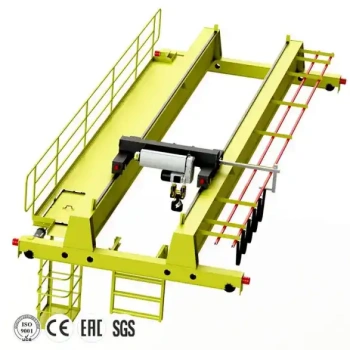
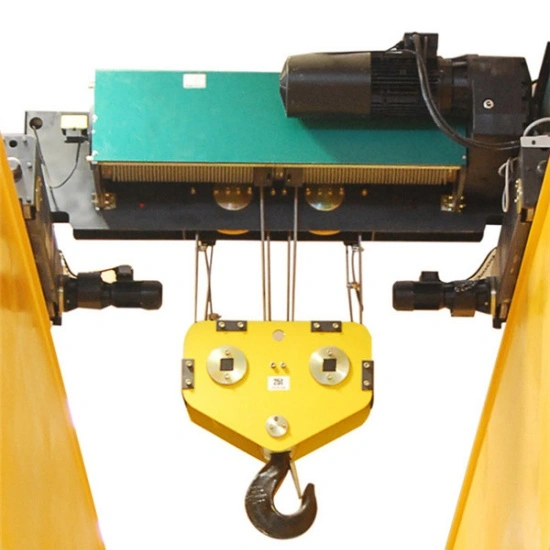
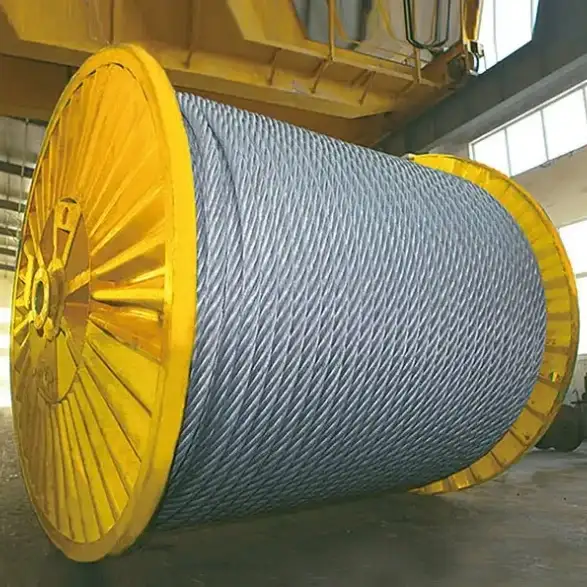
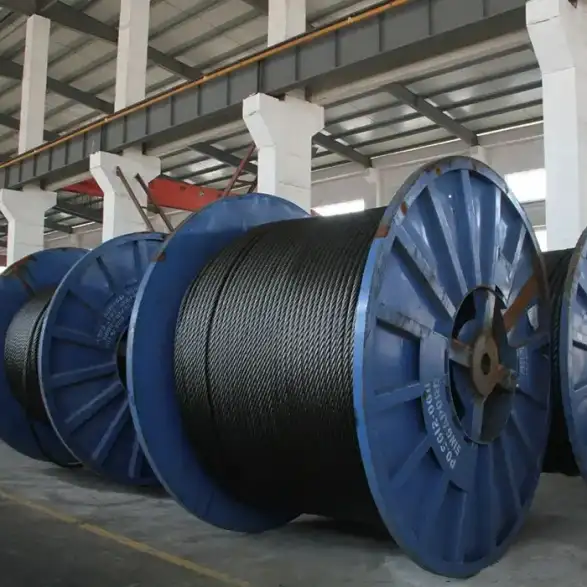
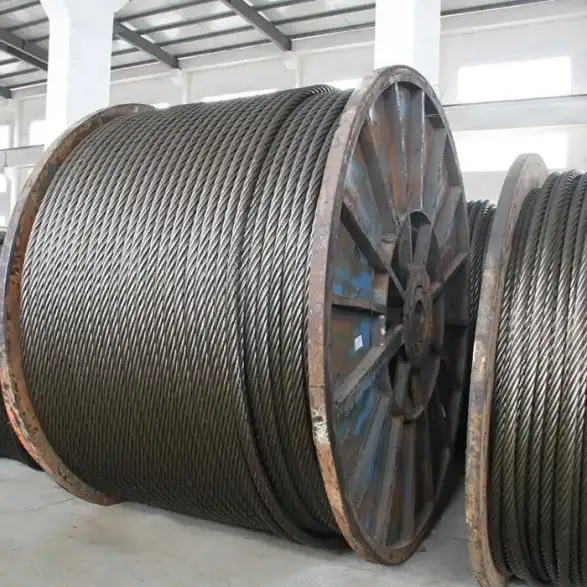
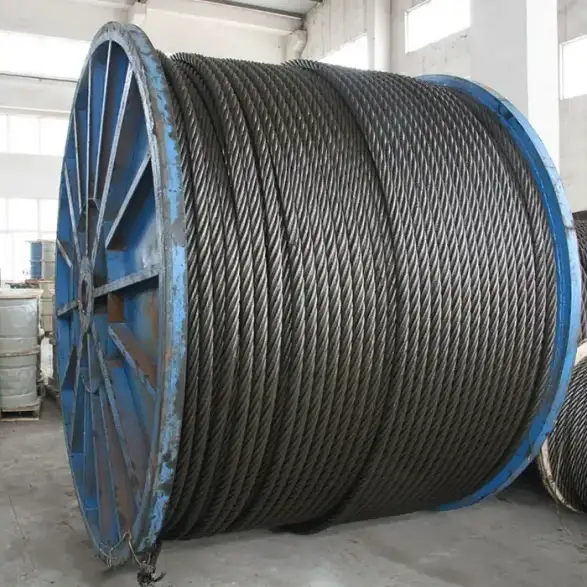
he Wire Rope Hoist is a rugged, high‑performance lifting device designed for heavy‑duty material handling in industrial environments. Unlike chain hoists, which use a load chain, wire rope hoists employ a steel wire rope wound around a grooved drum, providing higher lifting capacities, longer lift heights, and greater durability for demanding applications. These hoists are widely used in overhead cranes, gantry cranes, monorails, and stationary lifting points across manufacturing, steel processing, shipbuilding, construction, and energy sectors.
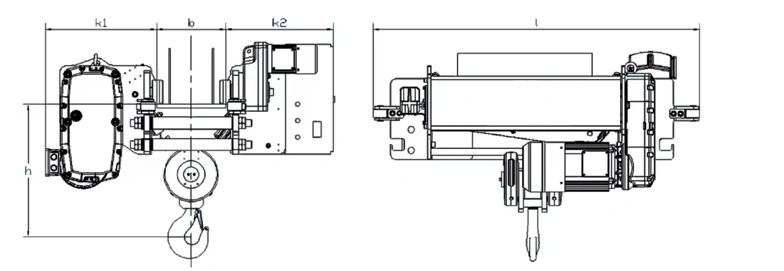
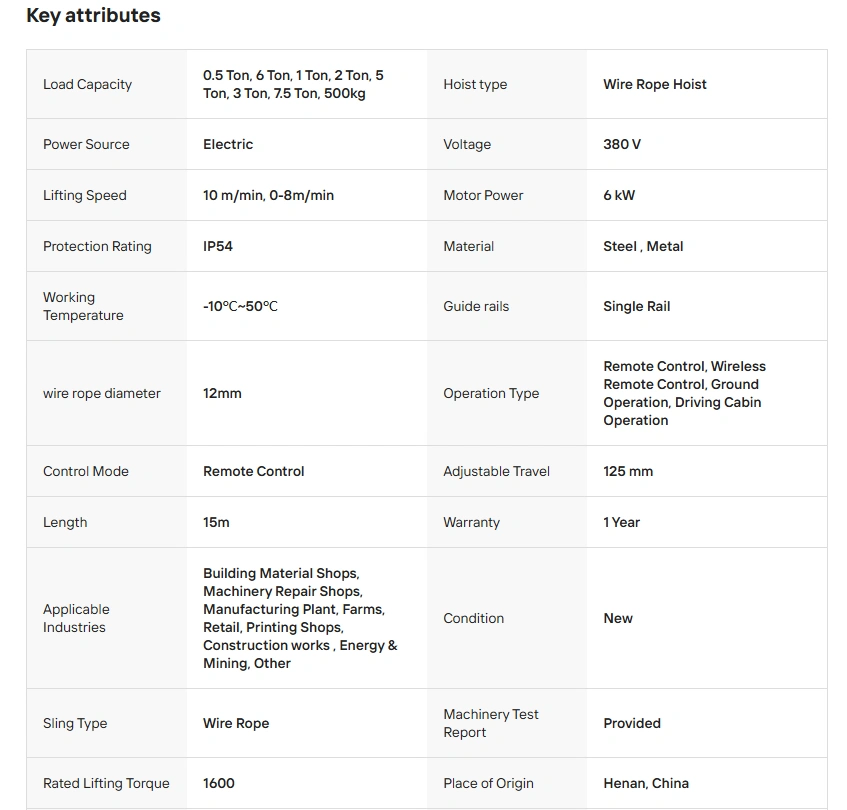
TECHNICAL DATA
APPLICATION
1. Overhead Crane Systems (Single & Double Girder)
Heavy Manufacturing: Lifting steel plates, structural beams, machinery components, and fabricated assemblies.
Warehouse & Logistics: Moving heavy pallets, containers, and bulk materials in high‑bay warehouses.
Maintenance Shops: Servicing large motors, pumps, gearboxes, and production equipment.
2. Gantry & Semi‑Gantry Cranes Outdoor Storage Yards: Lifting pipes, steel bars, concrete elements, and construction materials. Port Terminals: Handling containers (with spreader attachment) and breakbulk cargo. Rail Freight Yards: Loading/unloading heavy components onto railcars.
3. Monorail & Underhung Systems Assembly Lines: Transporting workpieces through sequential assembly stations. Paint & Coating Lines: Carrying parts through spray booths, drying ovens, and cooling zones. Food Processing: Lifting stainless steel vessels, mixing bowls, and ingredient bins (with washdown versions).
4. Stationary & Fixed Lifting Points Engine Hoist: Lifting engines, transmissions, and axles in automotive repair shops. Loading Docks: Raising heavy goods onto trucks or receiving platforms. Warehouse Mezzanines: Lifting materials from ground floor to elevated storage.
5. Steel Service Centers Coil & Plate Handling: Lifting steel coils (up to 30 tons) from storage racks to slitting lines. Sheet Stacking: Moving steel sheets and blanks for cutting, stacking, and palletizing. Scrap Management: Handling scrap bins and heavy waste containers.
6. Foundries & Forging Shops Hot Metal Handling: Lifting ladles, crucibles, and hot ingots with heat‑resistant ropes and protective covers. Mold & Core Setting: Positioning heavy sand molds and core assemblies. Die Changing: Lifting forging dies weighing several tons into presses.
2. Gantry & Semi‑Gantry Cranes Outdoor Storage Yards: Lifting pipes, steel bars, concrete elements, and construction materials. Port Terminals: Handling containers (with spreader attachment) and breakbulk cargo. Rail Freight Yards: Loading/unloading heavy components onto railcars.
3. Monorail & Underhung Systems Assembly Lines: Transporting workpieces through sequential assembly stations. Paint & Coating Lines: Carrying parts through spray booths, drying ovens, and cooling zones. Food Processing: Lifting stainless steel vessels, mixing bowls, and ingredient bins (with washdown versions).
4. Stationary & Fixed Lifting Points Engine Hoist: Lifting engines, transmissions, and axles in automotive repair shops. Loading Docks: Raising heavy goods onto trucks or receiving platforms. Warehouse Mezzanines: Lifting materials from ground floor to elevated storage.
5. Steel Service Centers Coil & Plate Handling: Lifting steel coils (up to 30 tons) from storage racks to slitting lines. Sheet Stacking: Moving steel sheets and blanks for cutting, stacking, and palletizing. Scrap Management: Handling scrap bins and heavy waste containers.
6. Foundries & Forging Shops Hot Metal Handling: Lifting ladles, crucibles, and hot ingots with heat‑resistant ropes and protective covers. Mold & Core Setting: Positioning heavy sand molds and core assemblies. Die Changing: Lifting forging dies weighing several tons into presses.
FEATURES
1
High Lifting Capacity: Typically 0.5 – 100+ tons, with single or double rope reeving for heavier loads.
2
Long Lift Height: Wire rope allows much longer lift heights than chain hoists (up to 100 meters or more).
3
Compact Drum Design: Optimized rope layering and drum grooves for smooth operation and long rope life.
4
Frequency‑Controlled Drives: Precise speed control, reduced swing, and energy savings (optional).
5
Dual Braking System: Electromechanical brake plus mechanical load brake for fail‑safe operation.
6
Overload Protection: Electronic or mechanical sensor prevents lifting beyond rated capacity.
CERTIFICATE
RELATED PRODUCTS