




What is a Multi Function Overhead Crane?
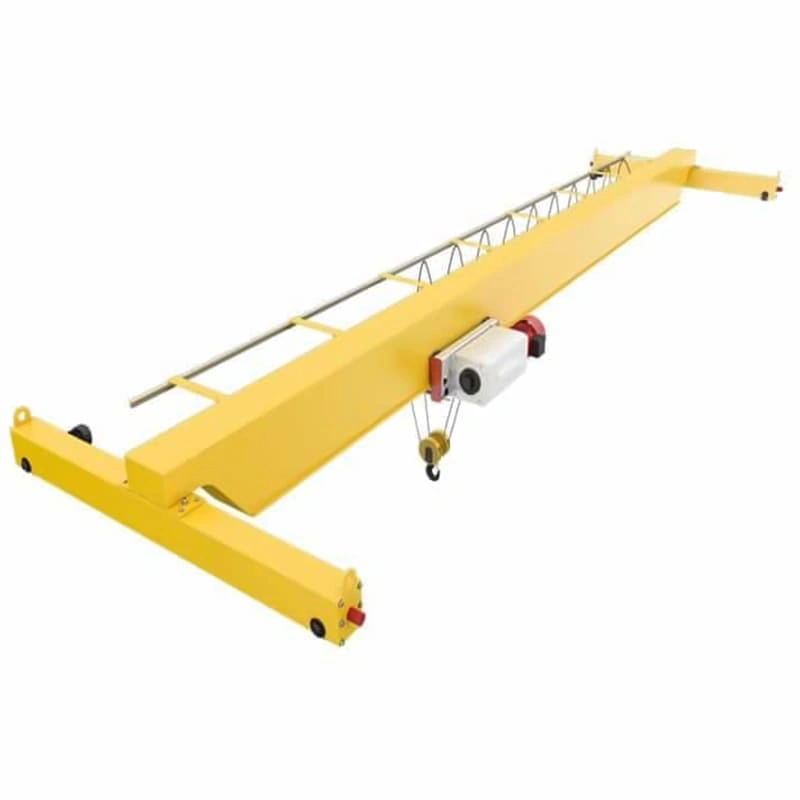
A multi function overhead crane is an industrial lifting device engineered to perform two or distinctly different material handling tasks using a single bridge and trolley system. Unlike standard overhead cranes that are equipped with a single hook and designed for general-purpose lifting, multi function cranes feature interchangeable attachments or specialized mechanisms that allow them to handle diverse load types .
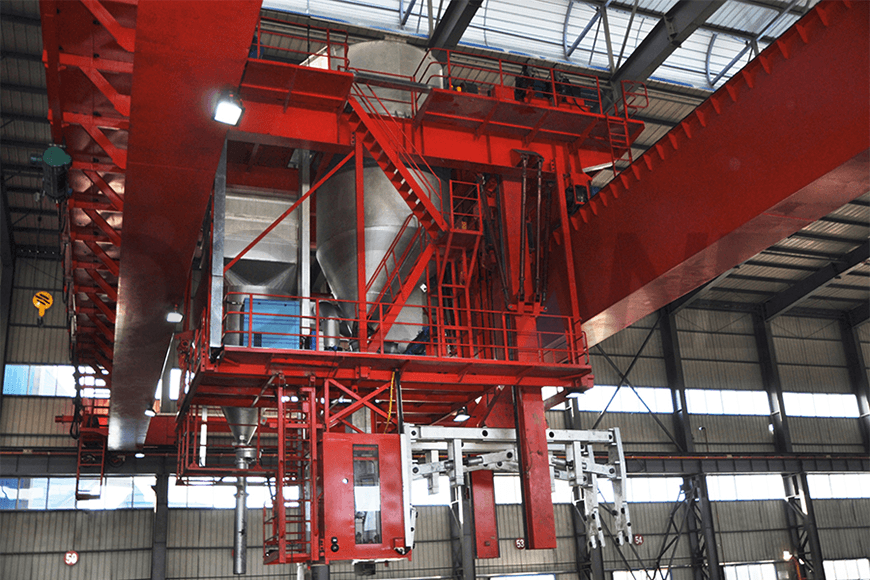
Key Features and Operating Mechanisms
The magic of a multi function crane lies not just in its attachments, but in the intelligent engineering that allows for safe and rapid changes. Here are the core components that define these systems:
1. The Rapid-Switch Attachment System
This is the heart of the machine. Modern multi function cranes utilize a patented or engineered quick-disconnect interface between the hoist and the attachment . This system typically includes:
A robust mechanical coupling: A self-aligning, secure locking mechanism (often pin-latch or rotating lock) that ensures a rigid connection.
Integrated power/control disconnects: Quick-release hydraulic and electrical multi-coupling plates. These allow the operator to switch from a hydraulic grab to an electromagnetic lifter in a matter of minutes without manual tooling or rewiring .
2. Specialized Attachments for Diverse Tasks
The "function" of the crane changes based on what is hanging from the hook block. Common attachments include:
Electromagnetic Lifter: Used for handling ferrous materials like steel plates, coils, pipes, and finished components. Advanced models feature a back-up battery system that prevents dropped loads during a power failure .
Motorized or Hydraulic Grab Bucket: Designed for bulk materials such as scrap metal, sand, ore, or foundry waste. Hydraulic versions offer powerful closing force and "high fill factors" to maximize productivity per cycle .
Dual Hooks (Main & Auxiliary): Some multi function cranes achieve versatility through dual hoists. For example, a 50t main hook for heavy machinery and a 10t auxiliary hook for lighter, more precise lifting tasks .
3. "Three-in-One" Drive and Structural Integrity
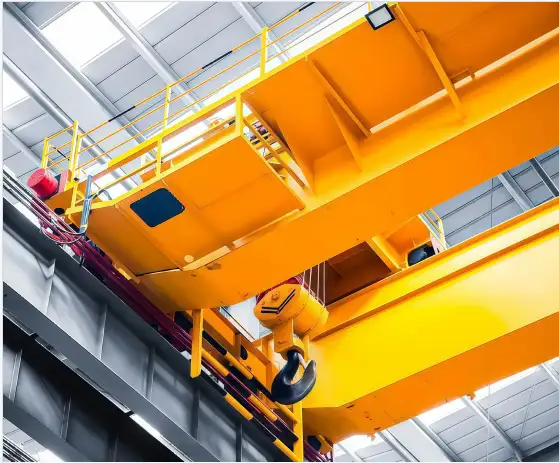
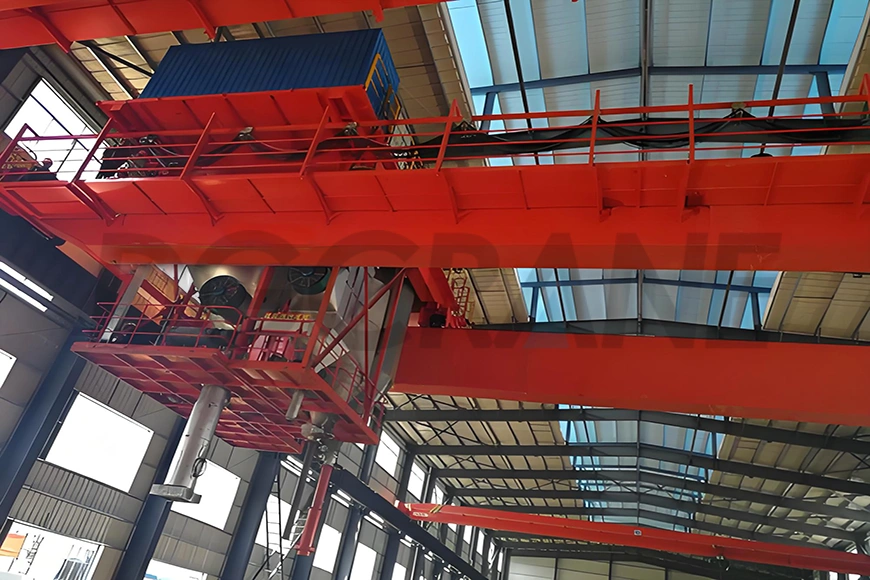
To handle the varied demands of heavy duty cycles (often classified as A6, A7, or A8), these cranes are almost exclusively built on a double girder bridge . This design provides:
Superior rigidity: Reduced deflection ensures precise load positioning, critical when aligning steel plates or handling ladles .
Integrated Drive Units: The end carriages typically use "three-in-one" drives that combine the motor, gearbox, and brake into a single, compact, low-maintenance unit .
Common Types of Multi-Function Overhead Cranes
1. The Grab & Magnet Combined Crane
This is the most ubiquitous type of multi-function crane, often considered the workhorse of the recycling and steel industries.
How it Works: This crane features a single trolley equipped with a quick-change system that allows the operator to switch between a motorized or hydraulic grab bucket and an electromagnetic lifter. The switching mechanism often involves patented multi-coupling plates that automatically connect power and hydraulics when the attachment locks into place.
Best For: Facilities that handle both bulk, irregular materials (scrap, debris) and finished ferrous goods (plates, billets, pipes).
Typical Industries: Metal recycling yards, steel service centers, foundries.
2. The Dual Hook (Main & Auxiliary) Crane
Sometimes, "multi-function" doesn't mean changing attachments, but having the right tool available instantly on the same bridge.
How it Works: This configuration utilizes two separate hoists on a single trolley or bridge.
Main Hoist: A high-capacity hook (e.g., 50 tons) for the primary, heavy lifting tasks.
Auxiliary Hoist: A lower-capacity hook (e.g., 10 tons) that travels independently or alongside the main hook. It is used for lighter tasks, turning workpieces, or handling tools and jigs.
Best For: Facilities where heavy machinery installation happens alongside regular maintenance or precise fabrication work.
Typical Industries: Heavy machinery manufacturing, wind tower fabrication, power generation plants, large repair shops.
3. The Rotary / Grapple Combo Crane
For handling specific shapes like coils or long bundles, a rotating action is often required.
How it Works: This type combines a standard lifting hook with a motorized rotating grapple (such as a C-hook or scissors grab). The rotation is typically achieved through a separate motor on the trolley or a specially designed rotating spreader beam. This allows the load to be oriented precisely without manual intervention.
Best For: Handling steel coils, paper rolls, or bundled timber where precise alignment for stacking or processing is required.
Typical Industries: Coil processing plants, paper mills, lumber yards, warehousing.
4. The Ladle (Teeming) Crane
In the metallurgy industry, the "function" is less about changing tools and more about managing complex, high-risk movements.
How it Works: These are specialized heavy-duty cranes designed specifically for handling molten metal. They are a type of multi-function crane because they must:
Transport the heavy ladle safely across the shop floor.
Tip/Pour the molten metal into molds or tundishes with extreme precision.
This requires sophisticated auxiliary hoisting mechanisms and tilting devices integrated into the main lifting beam.
Best For: Transporting and pouring molten metal.
Typical Industries: Steel mills, iron foundries, non-ferrous smelters
| Crane Type | Primary Functions | Best For |
|---|---|---|
| Grab & Magnet | Scrap handling + Finished goods loading | Metal Recycling, Steel Centers |
| Dual Hook | Heavy lift + Light maintenance/positioning | Heavy Fabrication, Wind Power |
| Rotary/Grapple | Lifting + Precise load orientation | Coil/Paper Handling |
| Ladle Crane | Transport + Precise pouring | Steel Mills, Foundries |
| Pot Tending Machine (PTM) | Alumina feeding + Anode changing | Aluminum Smelting |
Industries That Benefit from Multi Function Cranes
While any facility with mixed loads can benefit, certain industries have made the multi function crane a standard part of their operations due to the harsh environments and diverse material flows.
1. Metal Recycling and Steel Service Centers
This is the most common application for multi function cranes, specifically the Grab & Magnet combination.
The Challenge: Yards handle a mix of loose scrap (which requires a grab) and finished goods like plates, beams, and billets (which require a magnet).
The Solution: A single operator can use the hydraulic grab to unload incoming scrap trucks, and then instantly switch to the electromagnetic lifter to load processed steel onto outbound trucks.
Key Advantage: Eliminates double handling and drastically reduces cycle times.
2. Primary Metal Production (Ferrous & Non-Ferrous)
In smelters and foundries, the environment is harsh—hot, dusty, and electrically charged.
The Challenge: Handling molten metal (ladles) requires extreme precision and safety, while also managing raw materials and waste slag.
The Solution:
Ladle Cranes (Teeming Cranes): Designed for the safe transport and tipping of molten metal. They feature redundant braking systems and are built for the highest duty cycles.
Pot Tending Machines (PTMs): Used in aluminum smelting. These are specialized multi function cranes that perform anode positioning, crust breaking, and alumina feeding within the electrolytic potline.
Key Advantage: These cranes are purpose-built for high temperatures and utilize insulated cabins to protect operators from electrical currents and radiant heat.
3. Power Generation and Heavy Fabrication
Facilities building wind towers, turbines, or large pressure vessels require cranes that can handle awkward loads.
The Challenge: Long, heavy components require precise positioning, while general maintenance requires smaller, faster lifts.
The Solution: A Dual Hook configuration (Main and Auxiliary hoists). The 50-ton main hook handles the heavy turbine component, while the 10-ton auxiliary hook handles tooling, jigs, and maintenance tasks without requiring a second crane.
Key Advantage: Increases productivity by allowing precision work with heavy loads while maintaining the ability to perform lighter, ancillary tasks simultaneously.
4. Ports and Bulk Terminals
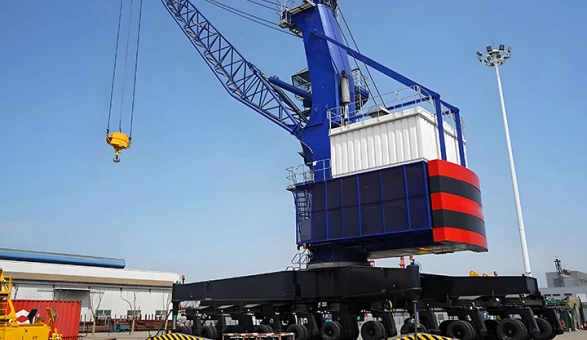
While gantry cranes are common, large overhead bridge cranes are used in warehouses and dockside facilities for bulk material handling.
The Challenge: Handling various bulk commodities (coal, ore, grain) and general cargo containers or machinery.
The Solution: Cranes equipped with motorized grab buckets for bulk unloading and spreader beams or hooks for containerized or break-bulk cargo.
Key Advantage: Increases the utilization rate of the crane, ensuring it is not idle when different types of ships arrive at port.
Conclusion
The term "multi-function crane" covers a wide spectrum of specialized equipment. Whether you need to grab scrap and lift steel plates, or pour molten metal and handle ladles, there is a specific type of multi-function crane engineered for your workflow.
ZEHUA is a leading crane manufacturer in China. With decades of industry experience, we have become a trusted partner in the global material handling solution field. We are committed to providing comprehensive professional services tailored to your specific needs. We recommend the most suitable crane products, offer accurate quotations, and design customized solutions. Welcome to contact us.
HENAN ZEHUA HEAVY INDUSTRY EQUIPMENT CO., LTD
Email: sale@zehuacranes.com
Website: [https://www.zehuacranes.com/]
Whatsapp:86-19562739544


