




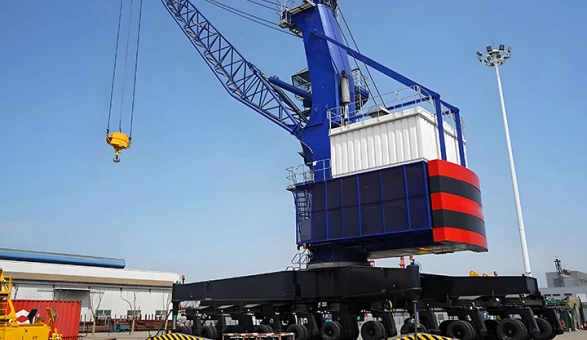
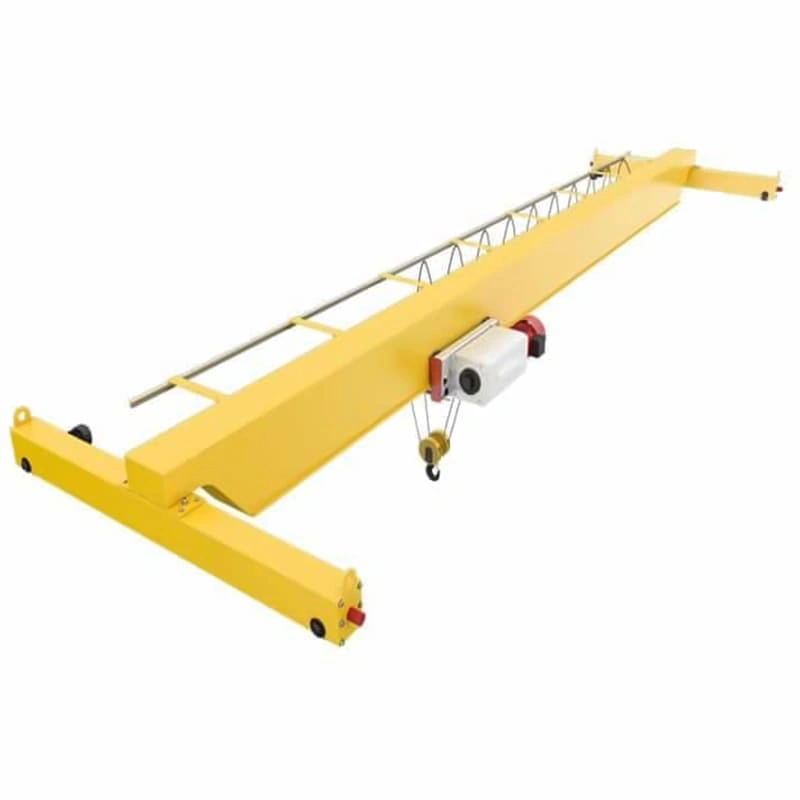
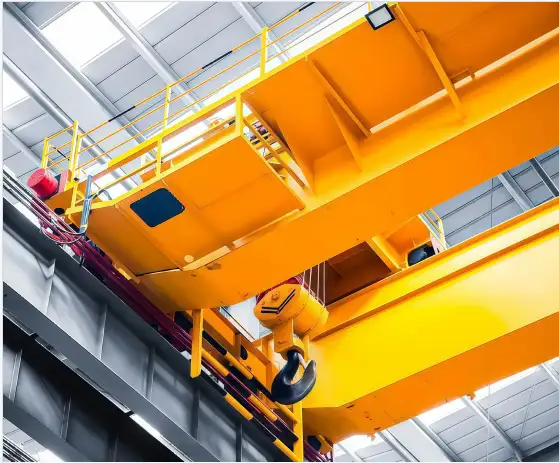
If you’ve ever visited a busy container terminal or watched ships being unloaded at a major port, you’ve likely seen massive machines gliding across the yard, lifting stacked shipping containers with ease. These machines are called Rubber Tyred Gantry cranes (RTGs) , and they play an indispensable role in modern logistics and supply chain operations.
But what exactly is an RTG used for? In this comprehensive guide, we’ll explore the primary applications, advantages, and key features of RTG cranes, helping you understand why they are a cornerstone of container handling worldwide.
Understanding the RTG: A Quick Overview
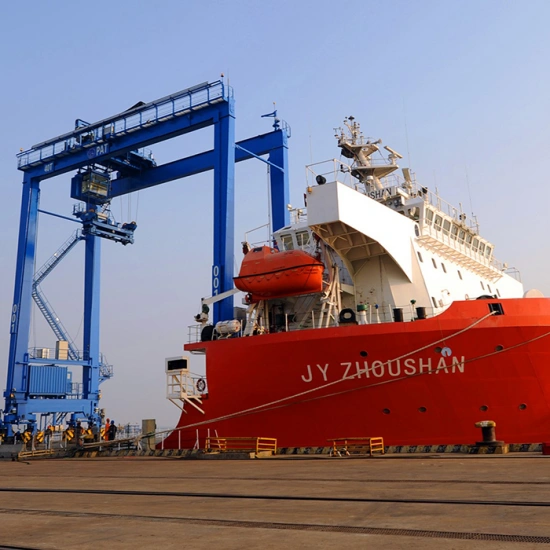
A Rubber Tyred Gantry crane is a mobile, wheel-mounted crane designed specifically for stacking and moving intermodal containers in port terminals, rail yards, and inland depots. Unlike rail-mounted gantry cranes (RMGs), RTGs run on rubber tires, offering greater flexibility in movement. They typically span up to six to eight lanes of container stacks and can lift containers weighing up to 40–50 tons.
Now, let’s dive into the core question: What is RTG used for?
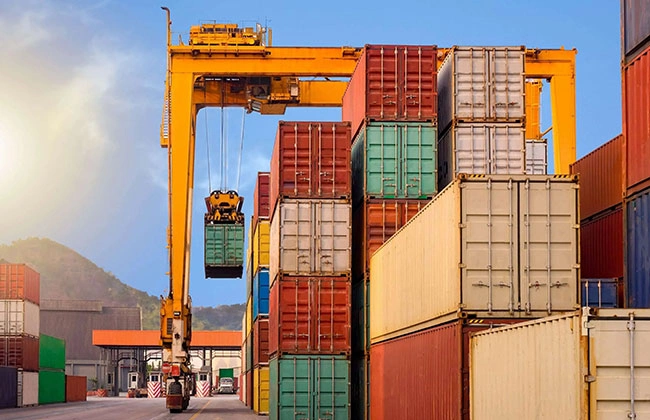
Primary Uses of RTG Cranes
1. Stacking Containers in Storage Yards
The most common use of an RTG is container stacking. In a typical container terminal, thousands of shipping containers need to be stored in an organized, multi-tiered manner. RTGs lift containers from trucks or straddle carriers and stack them in rows (called "blocks") up to five or six high. This maximizes the use of limited yard space—a critical factor in land-scarce port environments.
Without RTGs, terminals would struggle to achieve the density required for efficient land use. Each RTG can handle between 15 and 25 container moves per hour, making it a high-productivity solution.
2. Loading and Unloading Trucks
RTGs are frequently used to transfer containers between yard storage and trucks (also called "road haulage"). When a truck arrives to pick up an export container or deliver an import container, the RTG moves along its gantry, lowers its spreader, and either places a container onto the chassis or removes one. This process, known as a "truck lift," must be fast and accurate to avoid congestion at terminal gates.
Modern RTGs are often equipped with automated positioning systems (GPS, laser sensors, or camera-based recognition) to speed up truck handling and reduce human error.
3. Interfacing with Rail Systems
In intermodal terminals—where containers shift between ship, rail, and truck—RTGs are used to load and unload railcars. A rail-mounted or rubber-tyred gantry can straddle several parallel rail tracks, picking containers from flatcars and stacking them in the yard, or vice versa. This application is especially important for inland ports and distribution centers connected to major rail networks.
4. Supporting Ship-to-Shore (STS) Crane Operations
While STS cranes handle the actual loading and unloading of ships, RTGs work downstream to clear the quayside quickly. As soon as an STS crane places a container on a yard truck or shuttle carrier, the RTG picks it up and moves it to the stacking block. This seamless handoff keeps the berth area free and allows the ship to depart on schedule. In many terminals, RTGs are the workhorses that enable the STS cranes to operate at maximum speed.
5. Empty Container Handling
Not all containers are loaded. Empty containers need to be stored separately, often in dedicated zones. Lighter and less valuable, empties can be stacked higher (up to 7 or 8 tiers). RTGs are ideal for this task because their rubber tires provide gentle ground pressure (reducing pavement damage), and their height under the spreader can be adjusted. Some terminals use specialized "empty RTGs" with lighter structures for even greater efficiency.
6. Yard Reorganization and Housekeeping
Over time, container stacks become uneven due to varying arrival times and retrieval needs. RTGs are used to rehandle containers—shifting them from one stack to another to improve accessibility, balance weight distribution, or consolidate space. This "housekeeping" function is essential for maintaining an organized yard, especially in high-volume terminals where containers are constantly moving in and out.
Key Advantages That Drive RTG Usage
Why do ports and terminals choose RTGs over other crane types? Here are the main benefits:
| Feature | Benefit |
|---|---|
| Mobility | Rubber tires allow RTGs to move between blocks without rails, offering operational flexibility. |
| High stacking density | Can stack containers 5–6 high, dramatically increasing yard capacity. |
| Lower infrastructure cost | No need for embedded rails or complex power rails; only a flat, paved surface is required. |
| Fuel options | Many RTGs now run on hybrid or fully electric systems, reducing emissions and fuel costs. |
| Automation-ready | Modern RTGs can be retrofitted with remote control or fully automated stacking systems. |
Industries and Environments That Rely on RTGs
You’ll find RTG cranes in:
Maritime container terminals (the largest user segment)
Inland intermodal depots (where rail and truck meet)
Logistics parks near major manufacturing hubs
Empty container depots (often run by shipping lines or leasing companies)
In each setting, the RTG performs the same core job: efficient, dense, and flexible container storage and retrieval.
Modern Developments: Automation and Electrification
The question "What is RTG used for?" is evolving as technology advances. Today, automated RTGs (ARTGs) are increasingly common. These cranes operate without an onboard operator; they are controlled remotely from a central command center. Sensors, lasers, and machine vision allow them to position themselves, pick up containers, and stack them with millimeter precision.
Electrification is another major trend. Traditional diesel-powered RTGs are being replaced by electric RTGs (e-RTGs) that draw power from a cable reel or busbar, or by battery-powered units that recharge during operation. This reduces carbon footprints and noise pollution—critical considerations for ports located near urban areas.
Limitations to Keep in Mind
No machine is perfect. RTGs have some drawbacks that influence their usage:
Slower travel speed compared to straddle carriers or shuttle trucks (typically 3–5 mph).
Require wide aisles for turning, though this is mitigated by using "cantilever RTGs" or fixed-block layouts.
Higher tire wear than steel wheels, especially under heavy loads.
Operator skill dependency (for manual units), which can be addressed with automation.
Despite these limitations, for dense stacking and low-cost per move, RTGs remain unmatched.
Conclusion: The Indispensable Workhorse of Container Logistics
So, what is RTG used for? In short, RTG cranes are used for stacking, storing, and moving shipping containers in ports, rail yards, and depots. They enable terminals to handle millions of TEUs (twenty-foot equivalent units) annually by maximizing yard density and providing flexible, efficient container handling between ships, trucks, and trains.
Whether you're a logistics manager, a supply chain student, or an SEO professional researching industrial equipment, understanding the RTG’s role helps you appreciate the invisible machinery that keeps global trade moving. As automation and green technology advance, the RTG will continue to evolve—but its fundamental purpose will remain the same: lifting the world’s cargo, one container at a time.
ZEHUA is a leading crane manufacturer in China. With decades of industry experience, we have become a trusted partner in the global material handling solution field. We are committed to providing comprehensive professional services tailored to your specific needs. We recommend the most suitable crane products, offer accurate quotations, and design customized solutions. Welcome to contact us.
HENAN ZEHUA HEAVY INDUSTRY EQUIPMENT CO., LTD
Email: sale@zehuacranes.com
Website: [https://www.zehuacranes.com/]
Whatsapp:86-19562739544


