




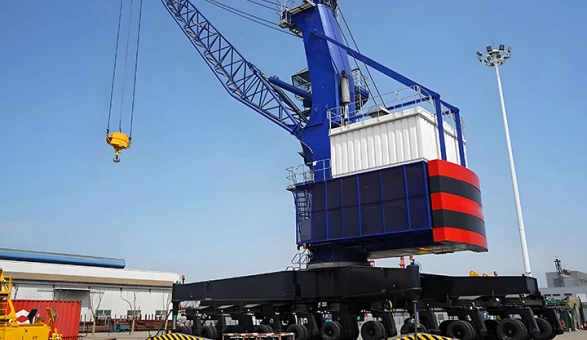
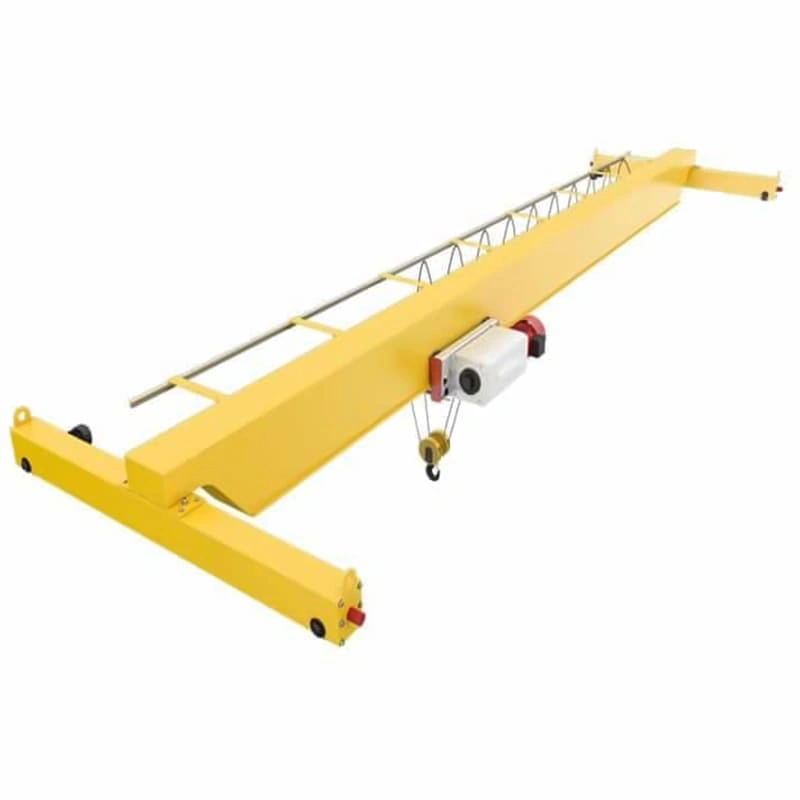
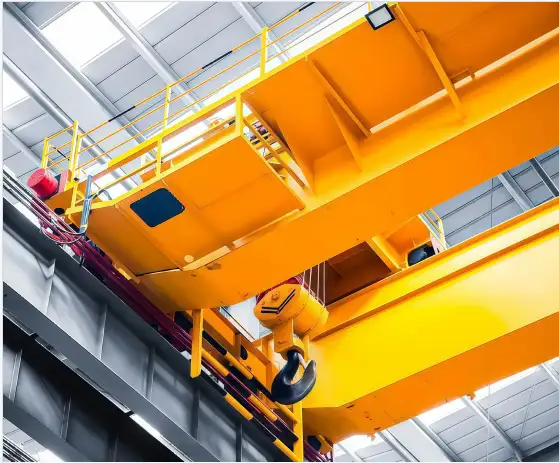
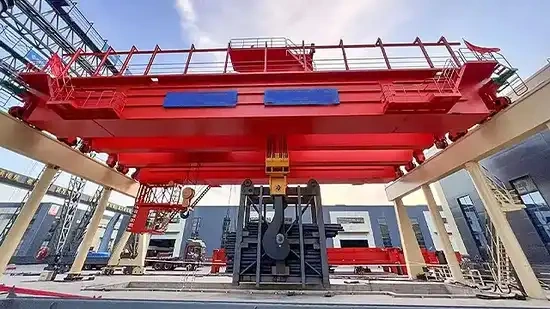
What Are Casting Cranes?
If you work in heavy equipment, manufacturing, or industrial procurement, you may have come across the term casting cranes. At first glance, it might sound like a specific type of crane used in foundries—but in most industry contexts, “casting cranes” refers to crane components produced through casting processes, or more broadly, the critical role that castings play in crane manufacturing.
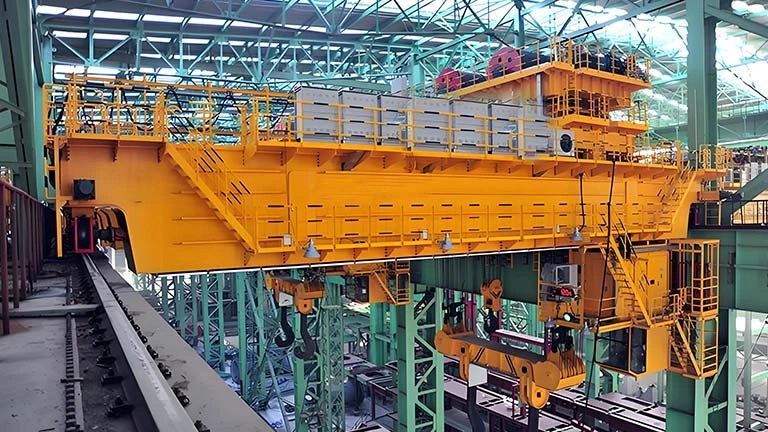
Components of the Casting Cranes
In simple terms, casting cranes are the cast metal components that form the structural and functional backbone of cranes. These include parts such as:
Hook blocks and hooks
Wheels and sheaves
Rope drums
Gearboxes and housing
Slew rings
Counterweight casings
Boom connectors and brackets
These components are manufactured using casting techniques—pouring molten metal into molds to create complex, high-strength shapes that would be difficult or impossible to achieve through welding or machining alone.
Why Casting Matters for Cranes
Cranes are designed to lift heavy loads repeatedly, often in harsh environments. The components that bear the greatest stress—hooks, drums, wheels, and gears—must withstand fatigue, impact, and wear over decades of service. Casting offers several unique advantages for such demanding applications:
Strength and integrity – A well-designed casting has a continuous grain structure without the weak points found in welded assemblies.
Design flexibility – Complex internal passages, reinforced ribs, and optimized load paths can be built directly into the part.
Material optimization – Different alloys (such as ductile iron, cast steel, or high-strength alloys) can be selected to match specific load, temperature, and corrosion requirements.
Cost efficiency at scale – For medium to large production volumes, casting provides a cost-effective way to produce highly consistent, durable parts.
Key Cast Components in a Crane
To better understand casting cranes, it helps to look at the most common cast parts found in typical lifting equipment.
1.Hook Blocks and Hooks
The hook block is the business end of any crane. It must handle the full rated load plus dynamic forces. High-quality cast steel hooks are carefully heat-treated and tested to ensure they deform visibly before breaking—a critical safety feature.
2.Wheels and Sheaves
Crane wheels support the entire machine’s travel, while sheaves guide wire ropes. Both require excellent wear resistance and dimensional accuracy. Cast steel or ductile iron wheels provide the necessary hardness and toughness for years of rolling under load.
3.Rope Drums
Drums are often large, cylindrical castings with machined grooves. A casting approach allows engineers to create integral flanges and optimize wall thickness for strength without excessive weight.
4.Gearboxes and Housings
Many cranes use planetary or helical gearboxes with cast housings. The casting ensures perfect alignment of internal gears and provides a rigid enclosure that protects against contamination.
Casting Processes Used for Crane Components
Not all casting methods are the same. Reputable manufacturers choose processes based on the size, complexity, and performance requirements of each part.
Sand casting – Ideal for large components like drums, frames, and counterweights. It offers flexibility in size and is cost-effective for medium-to-large production runs.
Investment casting – Used for smaller, highly intricate parts that demand tight tolerances and smooth surface finishes.
Precision sand casting – A modern evolution that combines the scale of sand casting with near-net-shape accuracy, reducing machining time and material waste.
Quality and Safety: The Non‑Negotiables
Because crane castings directly affect safety, they are subject to rigorous quality standards. Responsible manufacturers follow international norms such as:
ASTM A27 / A148 (cast steel specifications)
ASTM A536 (ductile iron)
ISO 9001 quality management systems
NDT testing – Ultrasonic, magnetic particle, and radiographic inspections to detect internal flaws
Mechanical testing – Tensile, impact, and hardness tests to verify material properties
Each critical casting should be traceable, with documentation confirming that it meets design and safety requirements.
Key Advantages of Premium Crane Castings
Not all castings are created equal. High-quality crane components, produced through advanced foundry processes and strict quality controls, offer distinct advantages that directly impact operational efficiency and equipment lifespan.
1. Superior Strength and Durability
Crane castings are subjected to extreme dynamic and static loads. Premium castings use carefully selected alloys—such as high-strength ductile iron and alloy steels—combined with optimized heat treatment processes. This results in:
High tensile strength to resist deformation under maximum load
Excellent impact resistance, especially in cold or high-stress environments
Enhanced fatigue life, reducing the risk of premature failure
2. Complex Geometries, Optimized Performance
Casting allows manufacturers to create intricate shapes that would be difficult or cost-prohibitive with fabrication methods. This design freedom enables:
Weight optimization without compromising structural integrity
Integrated features that reduce assembly time and potential failure points
Improved load distribution through strategically designed ribbing and contours
3. Cost-Effectiveness Over the Equipment Lifecycle
While initial procurement costs are important, the true value of a casting lies in its total cost of ownership. High-quality castings offer:
Reduced downtime due to fewer replacements and repairs
Consistent dimensional accuracy, ensuring proper fit and easier maintenance
Longer service intervals, minimizing disruption to operations
4. Customization and Scalability
Leading casting suppliers provide tailored solutions to meet specific application requirements. Whether a customer needs a unique hook design, a specialized wheel profile, or high-volume production for a new crane model, a capable casting partner can scale accordingly while maintaining quality consistency.
Industry Applications: Where Crane Castings Make the Difference
Crane castings are not one-size-fits-all. Different industries impose unique demands on lifting equipment, and the cast components must be engineered to meet those specific challenges.
Construction and Infrastructure
From high-rise building projects to bridge construction, mobile cranes and tower cranes operate in demanding environments. Cast components such as slew rings, counterweight housings, and boom connectors must withstand constant movement, variable loads, and exposure to the elements. Durability and reliability are non-negotiable, as equipment failure on a construction site can lead to costly delays and safety hazards.
Port and Maritime Logistics
Container cranes, ship-to-shore cranes, and mobile harbor cranes operate in corrosive saltwater environments while handling massive loads around the clock. Castings used in these applications require:
Exceptional corrosion resistance
High fatigue strength for continuous duty cycles
Precision machining to ensure smooth operation of wheels, sheaves, and drums
Port operators depend on robust cast components to maintain productivity and avoid costly vessel turnaround delays.
Mining and Bulk Material Handling
Mining operations subject cranes to extreme conditions: abrasive dust, heavy shock loads, and remote locations where maintenance is challenging. Overhead cranes and gantry cranes used in mines rely on cast components like gearboxes, drum assemblies, and walking wheels that can withstand harsh environments. Reliability is critical, as unplanned downtime in a mine can result in significant production losses.
Manufacturing and Heavy Industry
In factories and industrial plants, cranes are the backbone of material flow. Whether it is an overhead crane moving finished steel coils or a jib crane servicing a machining center, precision and uptime matter. Cast components must offer:
Smooth, consistent operation for precise load positioning
Low maintenance requirements to keep production lines running
Customizable designs to fit space-constrained facilities
Energy Sector: Oil, Gas, and Renewables
Energy projects—from offshore platforms to wind turbine installations—demand cranes that can perform under extreme conditions. Castings used in energy applications must meet rigorous safety standards and often require specialized alloys for low-temperature toughness or high-temperature stability. The ability to provide certified, traceable materials is especially critical in this sector.
Choosing the Right Casting Partner
Selecting a casting supplier is a strategic decision. The right partner brings more than just production capacity—they bring engineering expertise, quality assurance, and a commitment to long-term collaboration.
Key factors to evaluate include:
Technical capabilities – Does the supplier offer simulation, prototyping, and in-house testing?
Quality certifications – Look for ISO 9001, ISO 14001, and industry-specific accreditations.
Experience in crane applications – A supplier familiar with the unique demands of lifting equipment will deliver better results.
Supply chain reliability – Consistent lead times, transparent communication, and contingency planning matter in a volatile global market.
Conclusion
High-quality crane castings are the unsung heroes of the heavy lifting industry. They provide the strength, reliability, and design flexibility that enable cranes to perform safely and efficiently across a wide range of demanding applications—from busy ports to remote mine sites.
ZEHUA is a leading crane manufacturer in China. With decades of industry experience, we have become a trusted partner in the global material handling solution field. We are committed to providing comprehensive professional services tailored to your specific needs. We recommend the most suitable crane products, offer accurate quotations, and design customized solutions. Welcome to contact us.
HENAN ZEHUA HEAVY INDUSTRY EQUIPMENT CO., LTD
Email: sale@zehuacranes.com
Website: [https://www.zehuacranes.com/]
Whatsapp:86-19562739544


