




1.What Is a Gantry Crane?
A gantry crane is a type of overhead crane that is supported by freestanding legs on wheels or rails, forming a bridge-like structure . Unlike overhead bridge cranes that rely on a building's structural support, gantry cranes are self-supporting and can be used both indoors and outdoors . It uses a bridge-like structure supported by legs to lift and move heavy loads with precision. Gantry cranes are commonly used in construction, manufacturing, marine, mining, and precast operations where mobility, high capacity, and flexibility are critical.
The defining characteristic of a gantry crane is its "gantry" shape—a horizontal bridge beam (or beams) set on two or more legs that run on ground-level rails or wheels . This design creates a portal-like structure that can straddle work areas, making it ideal for applications where permanent building modifications are impractical or impossible .
2.How Does a Gantry Crane Work?
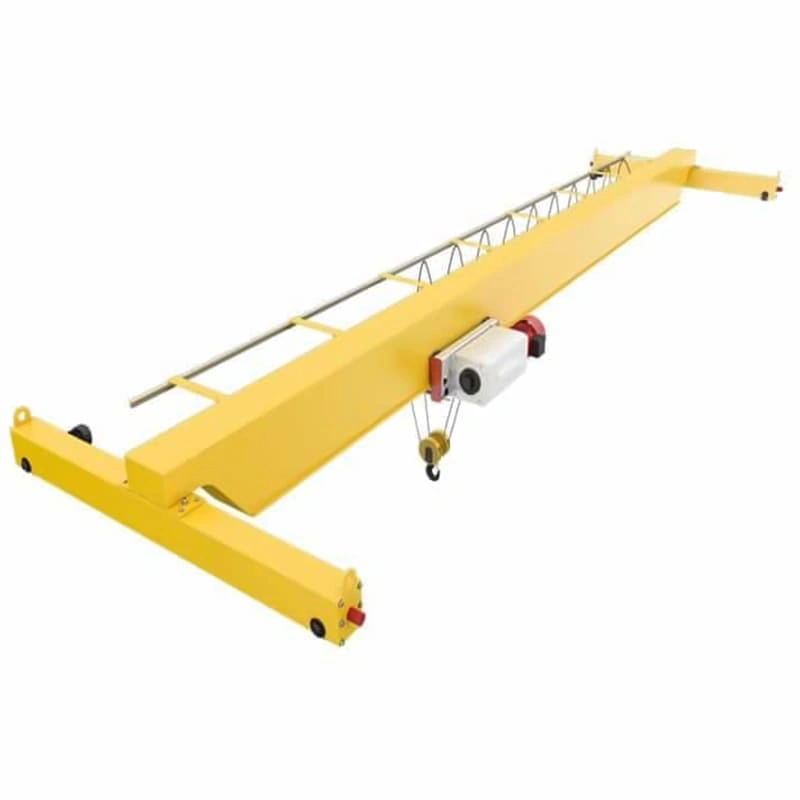
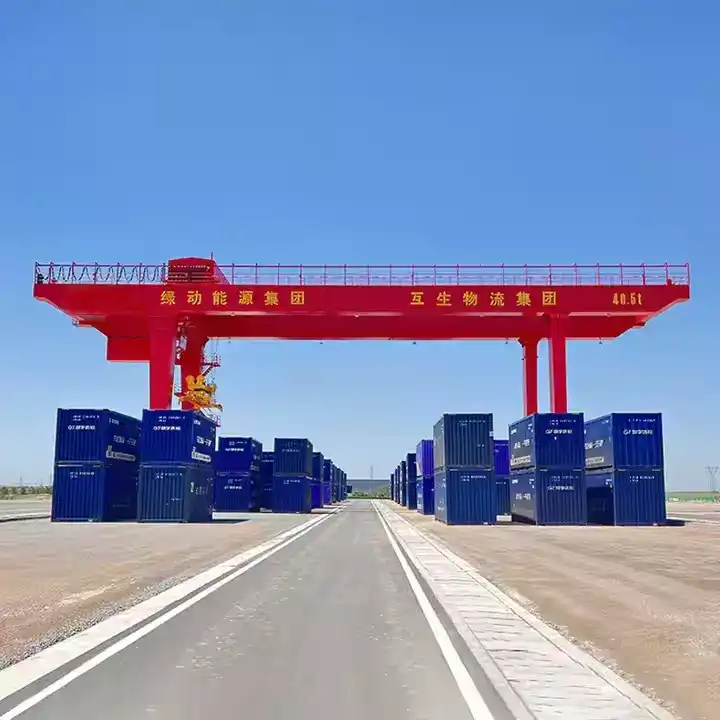
A gantry crane consists of a horizontal bridge beam supported by vertical legs. Unlike bridge cranes that are fixed to a building structure, gantry cranes travel either on rubber tyres or rails installed at ground level. A trolley and hoist move along the bridge to lift and transport loads within the crane’s operating span.
They are often chosen when:
1.A fixed overhead crane is not practical
2.Flexibility to move the crane around a site is required
3.Outdoor or large-area lifting is needed
4.Custom load capacities or spans are essential
Gantry cranes operate on three axes of movement :
1.Long Travel: The entire crane moves forward/backward along rails or wheels
2.Cross Travel: The trolley moves left/right across the bridge
3.Hoisting: The hook moves up/down to lift and lower loads
Power Supply
1.Cable Reel/Conductor Bar: Most common for rail-mounted units
2.Diesel Generator: For RTGs without fixed power infrastructure
3.Hybrid Systems: Battery + grid for peak shaving and efficiency
3.Core Structure and Components
Understanding the structure of a gantry crane helps appreciate its capabilities and limitations. While designs vary by application, all gantry cranes share fundamental components .
1.The Bridge (Main Girder)
The bridge is the primary horizontal structure that spans the working area. It can be:
Single Girder: One beam, typically used for lighter loads (up to 20 tons) and smaller spans
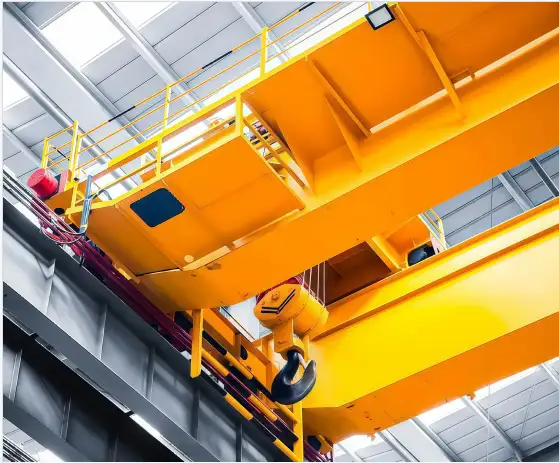
Double Girder: Two parallel beams, offering higher capacity, greater stability, and better hook height
Bridge construction typically uses box-section steel (Q235B or Q345B) for strength and rigidity, with deflection limits of L/700 to L/1000 under full load to ensure safety .
2.Legs and Support System
The legs are the vertical structures that support the bridge. They can be:
Rigid Legs: Both legs are firmly attached to the bridge, common for smaller spans
Rigid + Flexible Legs: For spans exceeding 30 meters, one leg is rigid while the other uses a flexible connection to accommodate thermal expansion and prevent binding
Leg configurations include:
A-Frame: Triangular design for stability
U-Frame: Box-style legs for specific clearance requirements
3.Mobility Systems
Gantry cranes move via:
Rail-Mounted Systems: Fixed paths on ground rails for precise, high-capacity operations
Rubber-Tired Systems: Flexible movement without rails, common in container yards
Portable/Wheeled Systems: Small units with polyurethane or nylon castors for workshop use
4.Hoist and Trolley
The hoist is the actual lifting mechanism, which can be:
Manual Chain Hoists: Economical for light, occasional use
Electric Wire Rope Hoists: For frequent, heavy-duty operations
Specialized Hoists: For applications like grab buckets or magnets
The trolley carries the hoist across the bridge, powered by electric motors or manually pulled.
4.RTG vs RMG
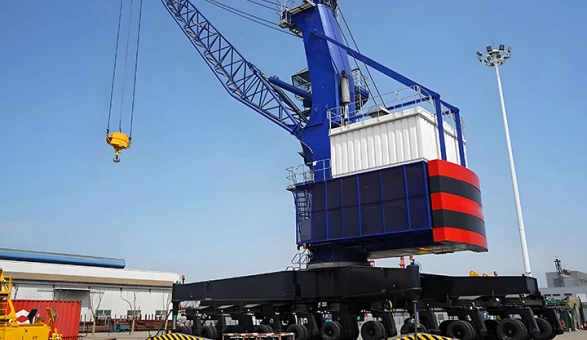
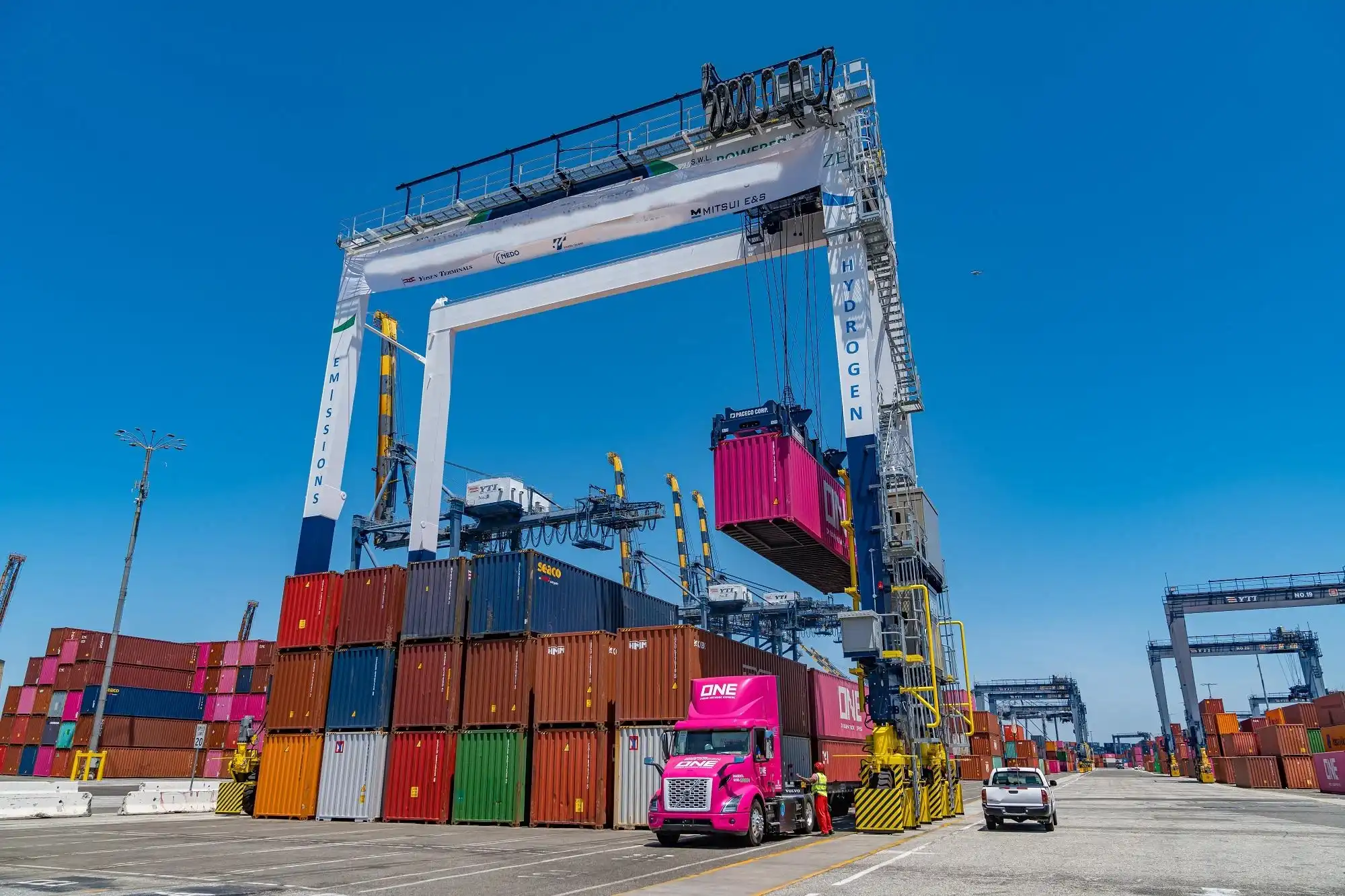
Rubber-Tyred Gantry Crane (RTG)
An RTG is a mobile gantry crane supported by multiple heavy-duty rubber tires (typically 8 to 16 wheels) that allows it to move freely across the container yard . Developed in the 1980s, RTGs have become the most widely used yard crane type, accounting for approximately 55% of all container cranes globally .
Key characteristics:
Can travel forward, backward, and make 90° turns to transfer between different yard blocks
Traditionally powered by diesel generator sets, though modern versions include electric (E-RTG) and hybrid options
Typically stacks containers 1-over-5 or 1-over-6 high and 6-8 rows wide
Operates with a driver in an elevated cab, though remote control options are increasingly available
Rail-Mounted Gantry Crane (RMG)
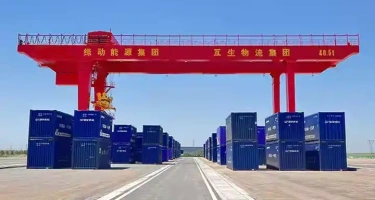
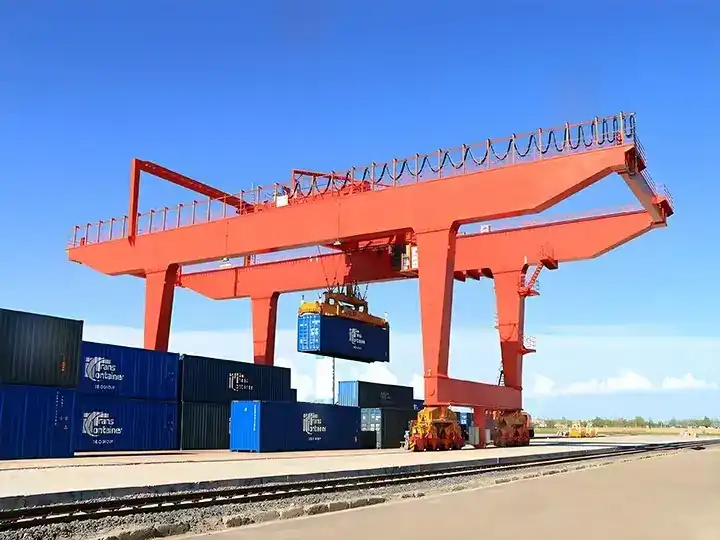
An RMG is a gantry crane that travels on fixed steel rails laid along the container yard . Developed later than RTGs, RMGs have gained market share due to their precision and automation potential .
Key characteristics:
Supported by 16-24 steel wheels running on fixed tracks
Powered by electricity through cable reels or conductor bars
Can be designed with single cantilever, double cantilever, or no cantilever configurations
Capable of stacking 1-over-7 or higher with exceptional stability
Highly compatible with fully automated operation and terminal operating system (TOS) integration
| Feature | RTG (Rubber-Tyred Gantry) | RMG (Rail-Mounted Gantry) |
|---|---|---|
| Mobility | Free movement on rubber tires | Fixed movement on steel rails |
| Power Source | Diesel, diesel-electric, or hybrid | Electric via cable reel or conductor bar |
| Stacking Height | 4-5 containers high (1-over-5 or 1-over-6) | 5-7 containers high (1-over-6 or 1-over-7+) |
| Typical Capacity | 30-50 tons | 40-100+ tons |
| Positioning Accuracy | ±50 mm (requires correction systems) | ±5 mm (high precision) |
| Initial Investment | Lower | Higher (rails + automation) |
| Operating Cost | Higher (fuel, tires, maintenance) | Lower (electric power, less maintenance) |
| Service Life | 15 years | 25 years |
| Best For | Flexible yards, multi-purpose terminals | High-throughput, automated terminals |
5. Gantry Crane vs. Overhead Bridge Crane
This is one of the most common comparisons in material handling. While both serve similar functions, their differences determine the right choice for each application
When to Choose Gantry Crane
You need mobility and flexibility
Working outdoors or in multiple locations
Building structure cannot support an overhead crane
Temporary projects or rental situations
When to Choose Overhead Bridge Crane
Maximizing indoor floor space is critical
Very high capacity requirements (100+ tons)
Permanent facility with defined workflow
Precision repetitive operations
6.How to Select the Right Gantry Crane?
Step 1: Define Load Requirements
Maximum weight to be lifted (tons)
Load characteristics (uniform, bulky, hot, hazardous)
Frequency of lifts (duty cycle)
Step 2: Assess Workspace
Available span width
Required lifting height (plus headroom)
Indoor vs. outdoor operation
Floor conditions (rails vs. tires)
Existing building constraints
Step 3: Consider Operational Factors
Required speeds (production throughput)
Precision requirements
Operator skill level
Integration with other equipment
Step 4: Evaluate Long-Term Needs
Expected service life (years)
Future expansion plans
Maintenance capabilities
Total cost of ownership (not just purchase price)
Step 5: Consult with Manufacturers
Provide this information when requesting quotes :
Load capacity (tons)
Span (meters)
Lifting height (meters)
Travel distance (meters)
Power supply specifications
Special requirements (hazardous location, cleanroom, etc.)
ZEHUA is a leading crane manufacturer in China. With decades of industry experience, we have become a trusted partner in the global material handling solution field. We are committed to providing comprehensive professional services tailored to your specific needs. We recommend the most suitable crane products, offer accurate quotations, and design customized solutions. Welcome to contact us.
HENAN ZEHUA HEAVY INDUSTRY EQUIPMENT CO., LTD
Email: sale@zehuacranes.com
Website: [https://www.zehuacranes.com/]
Whatsapp:86-19562739544


