




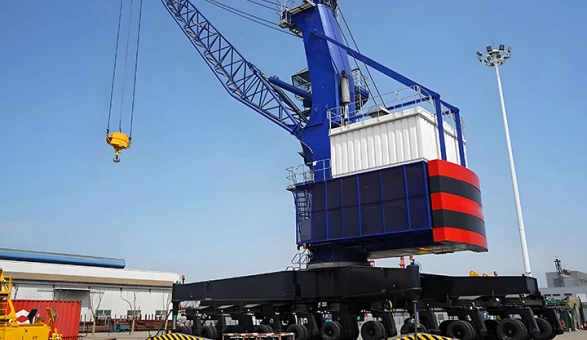
Ship-to-shore (STS) cranes are the giants of global trade. Standing over 100 meters tall and capable of lifting containers weighing more than 60 tons, these machines are the critical link between sea and land. But operating an STS crane is not just about pulling levers—it requires precision, situational awareness, and rigorous safety discipline. This is why ship-to-shore crane training is one of the most specialized and essential programs in the logistics industry.
In this guide, we’ll explore everything you need to know about STS crane training: why it matters, what it covers, certification requirements, and how modern simulation technology is shaping the next generation of crane operators.
Why Formal STS Crane Training Is Non‑Negotiable?
Unlike smaller mobile cranes, ship-to-shore cranes operate in a unique, high‑stakes environment. A single mistake can lead to:
Damaged cargo worth millions of dollars
Serious injuries or fatalities to dock workers
Crane structural failure or ship collision
Costly port downtime and reputation loss
Proper training reduces these risks while improving efficiency—measured in moves per hour (MPH). A trained operator not only works faster but also handles vessels more smoothly, reducing peak loads on both the crane and the ship’s cell guides.
Core Components of Ship-to-Shore Crane Training
A comprehensive STS crane training program blends theory, hands‑on practice, and safety drills. Below are the essential modules.
1. Crane Familiarization & Pre‑Operational Inspection
Before touching the controls, trainees learn every component of the STS crane: the boom, hoist, trolley, gantry, spreader, and electrical/control systems. They also master pre‑shift inspection checklists—checking wire ropes, brakes, limit switches, and emergency stop functions.
2. Load Dynamics & Spreader Control
Controlling a spreader (the attachment that locks onto containers) in windy, moving conditions is an art. Training covers:
Twistlock engagement and disengagement
Anti‑sway system operation (both automatic and manual override)
Landing containers precisely on chassis, stacks, or vessel cells
Handling overweight, damaged, or oddly balanced loads
3. Visibility & Blind‑Spot Management
From the operator’s cabin, much of the work area is hidden. Trainees learn to rely on:
Mirror and camera systems
Hand signals from ground spotters
Crane positioning lights and lasers
Radio communication protocols
They also practice “blind” picks and drops using spotters only, a skill critical during night shifts or poor weather.
4. Ship‑Specific Workflows
Different vessels have different cell guides, hatch covers, and deck layouts. Training includes:
Working alongside ship’s lashing crews
Coordinating with the vessel’s crane or derrick (if used)
Adapting to tidal changes (the ship rises and falls during loading)
Handling out‑of‑gauge (OOG) and hazardous cargo containers
5. Emergency & Recovery Procedures
Every operator must memorize emergency responses:
Power failure: how to lower a suspended load manually
Spreader malfunction: releasing twistlocks mechanically
Fire, wind warning, or seismic alarms: safe shutdown and evacuation
Rescue of a suspended operator cabin (on some crane models)
6. Productivity & Efficiency Techniques
Beyond safety, training includes productivity metrics. Trainees learn to:
Minimize cycle time (hoist → trolley travel → lower → return)
Sequence lifts to avoid trolley congestion
Use twin‑lift or tandem‑lift configurations (where the crane can handle two 20‑ft containers or one 40‑ft and one 20‑ft together)
Certification & Regulatory Standards
In most countries, STS crane operators must hold a recognized certification. Common frameworks include:
OSHA (USA) – General crane operator requirements, though ports often have additional standards.
ISO 12480-1 – Cranes – Safe use – Part 1: General.
Local port authority licenses (e.g., Port of Singapore, Rotterdam, Long Beach).
ILO Code of Practice for dock work.
Most certifications require written exams, a practical test, and periodic recertification (every 2–5 years). Some ports also mandate drug/alcohol screening and physical fitness checks.
Simulation Training: The Modern Breakthrough
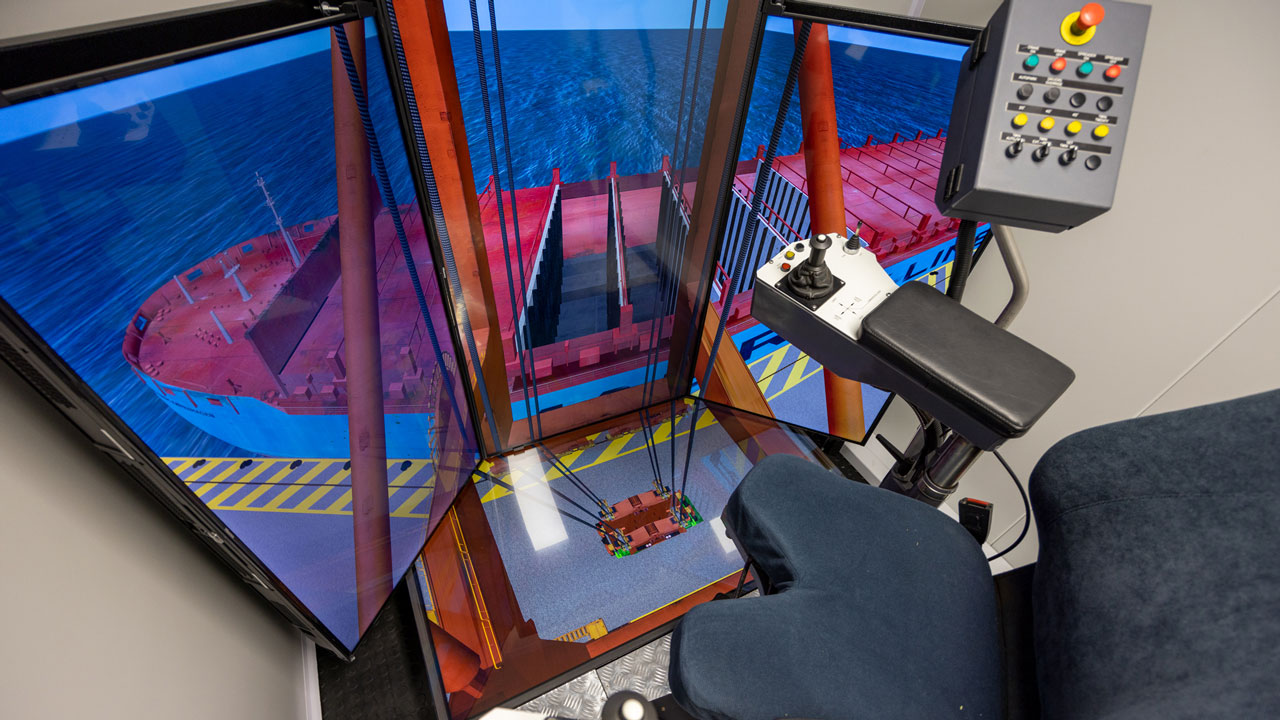
Traditional training used “buddy system” on‑the‑job learning, but this puts real cargo and people at risk. Today, high‑fidelity simulators have become the gold standard. A good STS crane simulator includes:
Realistic controls (identical to Liebherr, ZPMC, Konecranes, or Mitsui cranes)
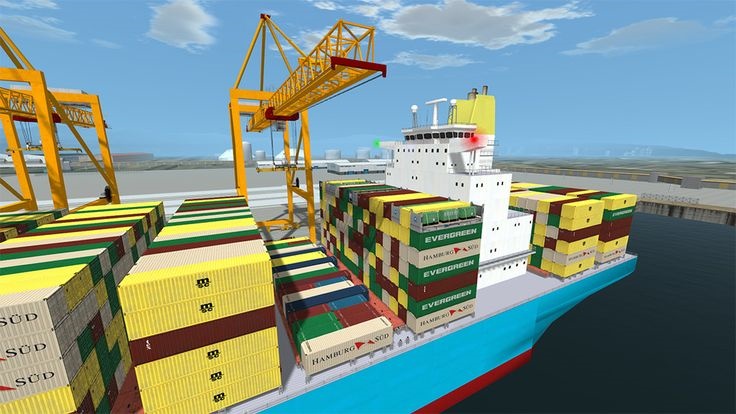
3D port environment with dynamic weather, day/night, and ship motion
Accident scenarios (e.g., wire rope failure, sway into a crane leg)
Performance scoring (cycle time, peak acceleration, landing accuracy)
Simulators allow trainees to make mistakes safely and repeat drills instantly. Many ports now require a minimum number of simulator hours before moving to a live crane.
On‑the‑Job Training (OJT) & Mentorship
Even after simulation, new operators work under a certified mentor. OJT typically lasts 4–8 weeks, including:
Low‑traffic periods (e.g., night shifts)
Gradual increase in container weight and vessel complexity
Real‑time coaching on anti‑sway and precision landing
Final assessment by a senior trainer
Continuing Education & Recurrent Training
Skills degrade over time, especially when technology changes. Top ports require:
Annual refresher courses (especially for emergency procedures)
New equipment training when cranes are upgraded (e.g., from manual to semi‑automated)
Human factors training – fatigue management, situational awareness, stress control
Some terminals also use remote monitoring to analyze operator performance and provide targeted coaching.
How to Choose a Ship-to-Shore Crane Training Provider
If you are a port, terminal operator, or individual seeking certification, evaluate providers on:
Accreditation – Do they issue nationally/globally recognized certificates?
Simulator quality – Full‑motion, realistic controls, scenario library.
Trainer experience – At least 5 years of real STS operation.
Safety record – No training‑related incidents.
Post‑training support – Refresher courses, performance audits.
Final Words: Safety, Efficiency, and Career Value
Ship-to-shore crane operation is a skilled, well‑paid profession. In major ports like Rotterdam, Shanghai, or Los Angeles, experienced STS operators earn competitive wages with benefits. But the job demands respect for the machinery, the cargo, and the people working below.
Investing in high‑quality ship‑to‑shore crane training is not a cost—it’s a productivity lever. A well‑trained operator moves more boxes per hour, breaks less equipment, and goes home safe every day.
ZEHUA is a leading crane manufacturer in China. With decades of industry experience, we have become a trusted partner in the global material handling solution field. We are committed to providing comprehensive professional services tailored to your specific needs. We recommend the most suitable crane products, offer accurate quotations, and design customized solutions. Welcome to contact us.
HENAN ZEHUA HEAVY INDUSTRY EQUIPMENT CO., LTD
Email: sale@zehuacranes.com
Website: [https://www.zehuacranes.com/]
Whatsapp:86-19562739544


